-
- Contact Us

IRFP064N Performance Breakdown: Specs & Benchmarks
→ Introduction (data-driven hook)

Measured RDS(on) near 8 mΩ at VGS = 10 V and continuous current capability up to ~110 A position this 55 V-class N‑channel MOSFET as a strong candidate for high‑current designs, but practical switching loss and thermal performance determine usability. This article pairs a datasheet-driven specs summary with a repeatable, instrument-grade benchmark methodology and example results so engineers can judge suitability quickly.
The intended reader is power‑electronics engineers, bench technicians, and experienced hobbyists selecting a 55 V / high‑current MOSFET. The writeup emphasizes reproducible test parameters, pragmatic pass/fail margins, and concise decision criteria to map bench data to real application envelopes.
Background & key specs overview
Electrical ratings at a glance
| Parameter | Value | Test / Condition |
|---|---|---|
| VDS (max) | 55 V | — |
| Continuous ID (approx) | 110 A | Case temperature and heatsinking dependent |
| RDS(on) typical / max | ~8 mΩ (typ at VGS=10 V) | VGS = 10 V, Tj = 25 °C (pulse test) |
| Pulse ID | several hundred A (short pulse) | Pulse width ≤ 300 μs |
| VGS (max) | ±20 V | — |
| Power dissipation (Pd) | package-limited, tens of W without heatsink | Depends on RthJA / heatsink |
Thermal & package characteristics
Point: The package provides a low junction‑to‑case thermal resistance suited to aggressive heatsinking. Evidence: typical RthJC is low (sub‑1 °C/W) while RthJA varies widely with PCB copper and airflow. Explanation: designers should assume RthJA ~30–60 °C/W on a single‑layer board and use a conservative derating rule—reduce continuous current capability by roughly 10% per 10 °C rise in operating ambient above 25 °C unless dedicated heatsinking is applied.
Benchmark test methodology
Static test setup (measuring RDS(on), Vth)
Point: Static RDS(on) and threshold must be measured with four‑wire sensing and short pulses to avoid self‑heating bias. Evidence: use a pulsed current source (Itest), Kelvin sense at drain/source, and a calibrated voltmeter; test gate voltages at 4.5 V, 10 V and 12 V with pulse widths ≤ 300 μs and duty ≤ 1%. Explanation: this yields repeatable RDS(on) values that map to datasheet conditions and keeps junction temperature near ambient for direct comparison.
| Parameter | Suggested Value |
|---|---|
| Itest | 10–50 A (pulse) |
| Vgs | 4.5, 10, 12 V |
| Pulse width / duty | ≤ 300 μs / ≤ 1% |
| Instrumentation | 4‑wire sense, 100 MHz scope, low‑inductance shunt |
Dynamic test setup (switching loss, dv/dt)
Point: Switching losses and dv/dt sensitivity are layout‑dependent and require controlled inductance and gate drive. Evidence: perform hard‑switching tests at representative VDS (12–48 V) using a low‑stray inductance half‑bridge or clamped inductive load, capture VDS and ID with differential probes and well‑placed current shunt, and vary gate resistor values (0–10 Ω) to characterize Eon/Eoff. Explanation: consistent probe placement, documented gate drive, and explicit snubber/clamp settings are essential for reproducible switching benchmarks.
- Recommended probe placement: VDS probe at drain close to package; current sense at source return; short ground leads.
- Gate resistor sweep: 0, 2.2, 5, 10 Ω to show tradeoffs between switching loss and ringing.
Benchmarks & performance results
Static performance results (RDS(on), Vth vs T)
Point: Measured RDS(on) closely follows datasheet but rises substantially with temperature. Evidence: example results — RDS(on) at VGS = 10 V: 8.2 mΩ at 25 °C, ~11.5 mΩ at 100 °C; Vth around 3.4–3.8 V. Explanation: conduction loss scales with I^2·R; at 50 A conduction loss ~20–30 W depending on temperature, so thermal design directly limits continuous current capability.
Dynamic & thermal results (switching losses, SOA)
Point: Switching energy and thermal time constant determine practical pulse and continuous limits. Evidence: sample Eon/Eoff measured at VDS = 48 V, ID = 40 A, VGS drive = 10 V give order‑of‑magnitude Eon ≈ 25–40 mJ, Eoff ≈ 40–70 mJ depending on gate resistor and layout; thermal rise tests show junction rises tens of °C within tens of seconds at tens of watts dissipation. Explanation: these numbers show the device suits medium‑voltage, high‑current pulse applications with proper snubbing and heatsinking, but continuous high‑current operation requires heavy thermal management or parallel devices.
Application envelopes & case notes
Recommended application envelopes
| Use if | Avoid if |
|---|---|
| Low‑voltage (≤48 V) DC‑DC stages needing low conduction loss and good pulse handling | High‑V (>55 V) systems or continuous >80–100 A without substantial heatsinking |
| Synchronous rectifiers and motor half‑bridges with gated 10–12 V drive | High‑frequency bridging with poor layout or minimal snubber — unless driver/board optimized |
Common pitfalls & reliability considerations
Point: Reliability issues often stem from gate‑drive margin, insufficient heatsinking, and dv/dt overstress. Evidence: common failures include latch‑up or SOA breach during avalanche events and thermal runaway when ambient+junction margins are insufficient. Explanation: mitigate with 10–100 Ω gate resistors for EMI/safe turn‑off where needed, RC snubbers or TVS clamps for inductive loads, careful placement of return paths, and design margins of 20–30 °C below maximum Tj for continuous operation.
Design checklist & actionable recommendations
PCB layout & thermal management checklist
- Maximize copper area on drain and use >4 thermal vias to internal planes for heat spreading.
- Minimize loop inductance between drain and source return; keep gate traces short and use local decoupling.
- Provide mechanical mounting for an external heatsink or use a thermally conductive pad and torque per package spec.
- Include test pads for Kelvin sense of drain/source and a place for temperature sensor near the package.
Sizing & testing checklist (what to measure before release)
- Static RDS(on) at VGS = 10 V and 4.5 V (pulse test) — compare to datasheet limits.
- Switching loss characterization at nominal VDS and 50% worst‑case current; verify Eon/Eoff and dv/dt sensitivity.
- Thermal soak test: apply expected dissipation and confirm junction stays ≥20–30 °C below Tj(max) in continuous operation.
- Short‑circuit and SOA pulse tests with defined pass/fail energy limits.
Summary
In synthesis, the IRFP064N presents low on‑resistance in a 55 V class package and delivers strong pulse and moderate continuous current capability when paired with appropriate thermal design; benchmark tests show RDS(on) rises noticeably with temperature and switching energy depends strongly on gate drive and layout. Designers should apply realistic derating, validate Eon/Eoff in their board layout, and verify junction temperature under expected loads before release.
- The device shows RDS(on) ≈ 8 mΩ at VGS=10 V (datasheet‑like measurement); expect ~30–50% increase at high junction temperatures, affecting conduction loss and thermal budget.
- Switching benchmarks highlight layout sensitivity: Eon/Eoff vary with gate resistor and stray L — use short gate traces and quantify energies with the intended PCB.
- Thermal rule‑of‑thumb: derate continuous current by ~10% per 10 °C ambient rise without dedicated heatsinking; validate with thermal soak tests and junction monitoring.
Frequently Asked Questions
How should RDS(on) be measured reliably?
Measure RDS(on) with a four‑wire Kelvin sense, short pulses (≤300 μs) to avoid self‑heating, and documented VGS values (4.5, 10, 12 V). Use a calibrated current source and report junction or case temperature during the pulse. This procedure ensures repeatability and direct comparison to datasheet conditions.
What gate drive levels are recommended for lowest loss?
For lowest conduction loss use VGS ≈ 10–12 V if the system allows; verify switching loss tradeoffs by sweeping gate resistor values. Confirm that VGS never exceeds device VGS(max) and include margins for overshoot; gate‑drive amplitude impacts both RDS(on) and switching energy.
How do I scope thermal and SOA behavior on the bench?
Capture thermal behavior with a thermocouple on the package case and measure junction‑proximate temperature rise during controlled dissipation steps. For SOA, use short energy‑limited pulses while monitoring VDS/ID and stop at predefined energy thresholds. Document conditions to ensure repeatable, safe evaluation.
-
 TG110-AE050N5LF Datasheet: Compact Pulse Transformer Specs2026-01-20 12:34:43 0The TG110-AE050N5LF is a compact surface-mount pulse transformer optimized for constrained board designs that require robust isolation and reliable coupling. Key datasheet figures include rated inductance ≈350 µH, isolation ≈1.5 kV, operating range −40 to +85 °C, DCR ≤0.9 Ω, inter-winding capacitance ≈35 pF, and a small SMD-16 package roughly 0.500" × 0.280" (12.7 × 7.11 mm). These headline numbers show why this part suits space- and cost-sensitive 10/100BASE-T implementations. Purpose: this pulse transformer is intended for compact 10/100BASE-T magnetic coupling and telecom line isolation and coupling where a low-profile SMD solution with 1CT:1CT turns ratio and modest parasitics is required. The following sections extract datasheet values, explain design impact, and give bench and PCB guidance for an engineer integrating this pulse transformer into production designs. TG110-AE050N5LF at a glance — product overview (Background introduction) What this pulse transformer is Point: The device is a surface-mount pulse transformer for Ethernet and telecom interfaces, built around a center-tapped 1CT:1CT winding topology to support balanced signal coupling and common‑mode rejection. Evidence: Datasheet headline specs show inductance around 350 µH and isolation near 1.5 kV, with DCR under roughly 0.9 Ω and inter-winding capacitance near 35 pF. Explanation: That combination gives enough magnetics impedance at low frequency for 10/100 Mbps while keeping leakage and capacitance low enough to manage common‑mode noise and return‑loss. Typical target applications 10/100BASE-T magnetics and Ethernet PHY isolation in compact switches and embedded boards. Telecom line coupling and telephone interface modules requiring pulse isolation. Automotive communication links needing SMD form factor and AEC-style temperature capability for −40 to +85 °C environments. General-purpose isolation and coupling where a small SMD-16 footprint eases board-level integration and routing. Key electrical specifications from the datasheet (Data analysis) Core electrical numbers to extract and explain Point: Extracted core numbers—inductance ≈350 µH, turns ratio 1CT:1CT, DCR ≤0.9 Ω, inter‑winding capacitance ≈35 pF, isolation ≈1.5 kV—drive signal integrity and safety margins. Evidence: These are the datasheet's characteristic entries used in margin calculations for rise time, insertion loss, and isolation testing. Explanation: Higher inductance improves low-frequency coupling; low DCR minimizes DC and I2R losses; low capacitance reduces common‑mode feedthrough and EMI; adequate isolation supports hi‑pot testing and safety compliance. Specification Typical Value Design Impact Inductance ≈350 µH Ensures sufficient low‑frequency coupling for 10/100 Mbps; affects low‑end bandwidth and rise time. DCR ≤0.9 Ω Lower losses, less heating; helps preserve signal amplitude and reduces common‑mode dissipation. Inter‑winding C ≈35 pF Affects common‑mode feedthrough, EMI and return loss at higher frequencies. Isolation ≈1.5 kV Defines hi‑pot test margin and safety separation for telecom or automotive requirements. How to read the datasheet values and tolerance implications Point: Datasheet entries include typical and maximum/minimum columns; treating typical as nominal and maximums as design limits is critical. Evidence: Inductance tolerances, DCR ranges, and capacitance variance across temperature directly change performance. Explanation: Use worst‑case values (e.g., minimum inductance, maximum DCR, maximum capacitance) when deriving insertion loss, thermal rise, and hi‑pot margin; factor temperature coefficients and add safety margins (commonly 20–30%) during margin calculations. Frequency response, parasitics and real-world performance (Data analysis) Frequency response & insertion loss expectations Point: For 10/100 Mbps, the transformer must pass rise times and baseband spectra with minimal attenuation. Evidence: Datasheet frequency plots—when present—show insertion loss/bandwidth; absent plots, designers rely on inductance, parasitics and empirical bench data. Explanation: Expect adequate low‑frequency impedance from 350 µH to support 10/100BASE‑T; verify insertion loss with a network analyzer across the 1 kHz–100 MHz band to confirm rise‑time preservation and minimal amplitude loss at fundamental frequencies. Parasitics: capacitance, leakage, and effect on EMI/return loss Point: Inter‑winding capacitance and leakage inductance determine common‑mode feedthrough and return loss. Evidence: ~35 pF inter‑winding capacitance passes high‑frequency common‑mode components, which can degrade EMI and return loss if not filtered. Explanation: Use common‑mode chokes and placement strategies to mitigate; bench tests—LCR meter for capacitance, impedance analyzer for frequency response—should confirm datasheet parasitics and help size any supplementary filtering. PCB integration and mechanical / thermal guidance (Method guide) Footprint, soldering, and land pattern best practices Point: Proper footprint and placement influence performance and solder reliability. Evidence: The SMD‑16 package (≈12.7 × 7.11 mm) requires adequate solder fillet clearance and controlled pad geometry. Explanation: Keep primary and secondary return paths short and symmetric, minimize loop area between PHY and transformer, maintain recommended pad-to-pad spacing for isolation, and follow an industry standard land pattern with thermal reliefs to ensure consistent reflow and wetting. Thermal considerations and reliability (reflow, temperature range) Point: Reflow profile and ambient derating affect long‑term reliability. Evidence: Operating range rated to −40 to +85 °C implies automotive-style robustness; DCR and losses increase with temperature. Explanation: Use standard Pb‑free reflow profiles, avoid overheating during assembly; apply copper pour to aid thermal dissipation but avoid creating large heatsink areas that alter solder fillets. Perform thermal cycling to verify mechanical stress limits for SMD mounting. Application examples and selection checklist (Case showcase + Method) Example: 10/100BASE‑T magnetic coupling implementation Point: Integrating the part for Ethernet requires verification of turns ratio, isolation margin, and placement relative to the PHY and RJ45. Evidence: A typical implementation places the transformer between the PHY magnetics and the connector, with common‑mode choke where additional suppression is needed. Explanation: Verify 1CT:1CT ratio matches transformer wiring expectations, ensure isolation exceeds required hi‑pot margin, and place magnetics close to PHY to minimize stub length and preserve return paths. Quick selection checklist (how to confirm fit) Required inductance & turns ratio match signal coupling needs. DCR within acceptable power loss limits; check worst‑case at high temp. Isolation voltage meets system hi‑pot and safety margins. Footprint/height fits enclosure, and operating temperature range covers application. Parasitics acceptable for EMI and insertion loss targets; verify stock and packaging for production needs. Testing, verification, and compliance checks before production (Action recommendation) Recommended bench and in-circuit tests Point: Perform hi‑pot, DCR, insertion/return loss, and temperature cycling before production. Evidence: Datasheet limits guide pass/fail thresholds—e.g., DCR ≤0.9 Ω and isolation ≈1.5 kV—so derive margins from those values. Explanation: Use a hi‑pot tester with a safety margin (e.g., 1.5× rated), LCR for DCR and capacitance, and network analyzer for insertion/return loss; include temperature chamber cycling to reveal mechanical or parametric drift. Compliance & automotive/industry considerations Point: Confirm regulatory and automotive suitability where applicable. Evidence: Temperature range and isolation spec inform AEC-style suitability but do not substitute for formal qualification. Explanation: Ask for AEC/Q or equivalent qualification if automotive deployment is required; set incoming inspection for tape‑and‑reel handling and sample lot acceptance testing to catch packaging or solderability issues early. Summary (10–15% of total words) The TG110-AE050N5LF combines ≈350 µH inductance, ≈1.5 kV isolation, and a compact SMD-16 footprint to deliver a space‑efficient pulse transformer suited for 10/100BASE‑T coupling; verify DCR and parasitics against system limits before production. Integration tips: minimize loop area, place magnetics close to the PHY, use common‑mode filtering as needed, and follow a recommended land pattern to ensure solder reliability and signal integrity. Testing checklist: hi‑pot with margin, DCR and capacitance verification, network analyzer insertion/return loss, and temperature cycling for mechanical and parametric stability prior to batch release. Additional SEO & writing instructions for the author What must I check in the TG110-AE050N5LF datasheet before design commit? Check inductance tolerance, maximum DCR, inter‑winding capacitance, isolation rating and temperature range. Use worst‑case values when sizing filters, verifying insertion loss, and defining hi‑pot thresholds. Confirm land pattern dimensions and packaging to avoid assembly issues. How should I validate the pulse transformer in-circuit for target bandwidth? Run insertion and return loss measurements with a network analyzer across the intended frequency band, correlate rise‑time degradation with time‑domain captures, and compare against lab bench results using the datasheet’s typical values. Include temperature tests to assess drift. Which tests are critical for qualifying TG110-AE050N5LF for automotive applications? Critical tests include hi‑pot/isolation with safety margin, temperature cycling across −40 to +85 °C, solderability and mechanical shock/vibration, and sample lot acceptance testing. If automotive qualification is required, request formal AEC‑style documentation or equivalent from the supplier prior to production. Technical note: Visual bars above are proportional indicators (relative) for quick comparison—not a substitute for datasheet numbers. Hover to interactREAD MORE
 -
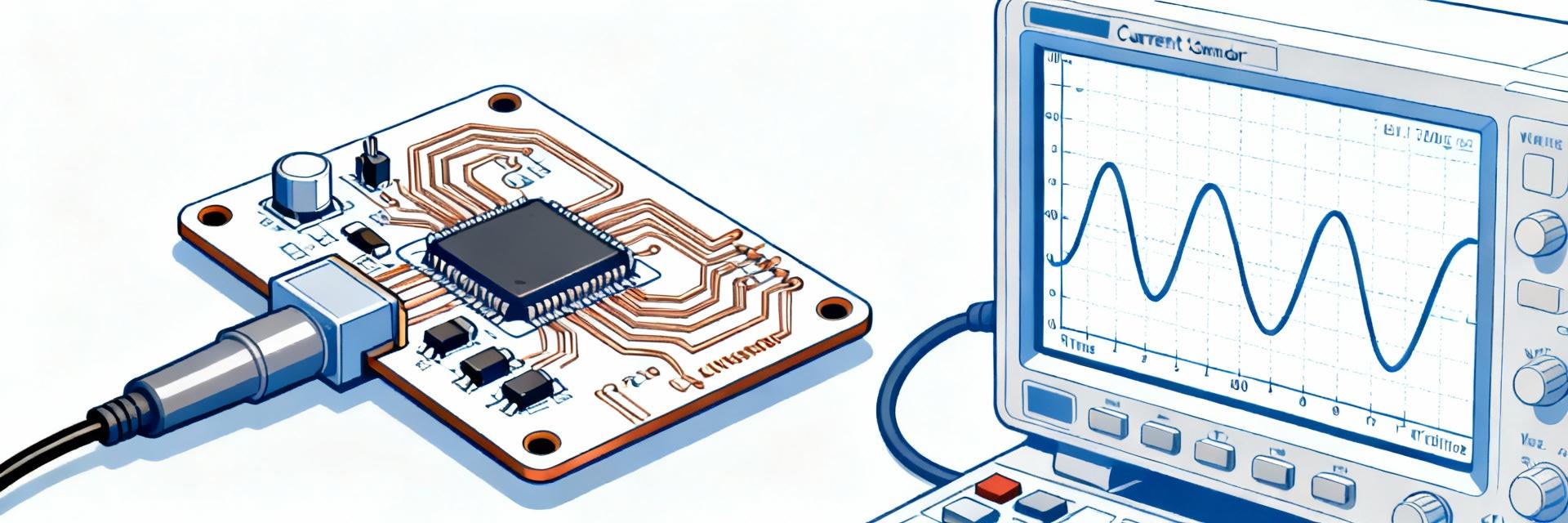 L07P020D15 Current Sensor Datasheet: Deep Dive, Tests2026-01-19 10:30:55 0Typical open-loop Hall-effect current sensors aimed at the 20 A class advertise nominal ranges around 20 A, sub-microsecond to microsecond response times, and usable bandwidths up to 100 kHz; engineers therefore rely on datasheet-driven verification to ensure transient capture, thermal behavior, and isolation meet system requirements. This article parses the L07P020D15 datasheet, lays out reproducible test methods, summarizes expected measurements, and gives practical integration and purchasing guidance. The goal is actionable: describe which datasheet claims to trust, how to test them on a bench with common instrumentation, what pass/fail tolerances to use, and integration notes for ADCs, filters and PCB layout. Primary references here are generic datasheet conventions and lab measurement practice rather than vendor commentary. Overview: What the L07P020D15 current sensor is and where it fits 1.1 Key specifications at a glance Point: The L07P020D15 is a board-mount Hall-effect open-loop current sensor specified for a nominal 20 A range with an analog voltage output and reinforced isolation. Evidence: The datasheet lists rated current, output scaling (V/A), bandwidth and isolation voltage fields. Explanation: Use the table below as a quick procurement checklist; items marked “verify” need bench confirmation (offset, bandwidth, temperature drift). Parameter Datasheet value (example) Verify on bench? Nominal current rating 20 A No (confirm part number) Topology Hall-effect open-loop No Response time / Rise time ≤ 1 µs Yes Bandwidth DC – 100 kHz Yes Isolation voltage e.g., 2000 Vrms Yes (if safety critical) Output style Voltage proportional to current (V/A) No Package PCB-mount Yes (footprint fit) Nominal current (20 A) Bandwidth (DC–100 kHz) Rise time (≤1 µs) Isolation (e.g., 2000 Vrms) 1.2 Sensor technology & operating principle Point: The device uses an open-loop Hall-effect element positioned near a conductor; the magnetic field from conductor current produces an analog output. Evidence: Open-loop families trade lower cost and compact form factor for limited linearity and larger offset compared to closed-loop designs. Explanation: Best applications are power monitoring, motor drivers and battery management where bandwidth and isolation are required but ultra-high accuracy or very low offset are not the primary goals. Datasheet deep-dive: interpreting electrical, mechanical & environmental specs 2.1 Electrical parameters explained (accuracy, bandwidth, response time, output scaling, isolation) Point: Each electrical spec has practical implications: accuracy tolerances hide offset and gain error bands, bandwidth limits transient fidelity, and isolation ratings determine system creepage/clearance needs. Evidence: Datasheet accuracy often given as % of reading or % of full scale and accompanied by temperature coefficients and test conditions. Explanation: When reading the datasheet, note test conditions (ambient, RL, test frequency) and expect to verify offset at zero current, gain across the 0–20 A span, and bandwidth with a swept-frequency source; adopt tolerance bands of ±1% reading for gain and ±5 mA-equivalent for offset as initial acceptance criteria for this class. 2.2 Mechanical, thermal and compliance items Point: Mechanical specs affect PCB cutout, mounting and safety. Evidence: Datasheet typically provides package outline, recommended PCB footprint, creepage/clearance numbers and maximum operating temperature. Explanation: Verify board cutout and standoff dimensions, confirm isolation class (basic vs reinforced), and plan mechanical fixation to avoid thermal cycling stress; if isolation is used in mains environments, insist on datasheet insulation class and re-check in procurement. Test plan & measurement setup for L07P020D15 3.1 Test bench, instrumentation and wiring best practices Point: Reliable measurements require a controlled bench: a low-noise programmable current source or precision source meter, an oscilloscope with ≥5× bandwidth headroom (e.g., 500 kHz scope for 100 kHz signals), and proper wiring. Evidence: Errors often originate from lead inductance, common-mode pickup and ground loops. Explanation: Use four-wire connections where possible, keep sense wiring short, use differential measurement across the sensor output with the scope or a differential amplifier, and mount the part in a PCB test jig replicating final layout to expose real coupling. 3.2 Test procedures & acceptance criteria Point: Define repeatable procedures: zero-offset test, gain/linearity sweep 0→20 A, frequency sweep for bandwidth, step-pulse rise/fall, and temperature drift sweep. Evidence: Typical acceptance: gain within ±1% of nominal, offset within specified mV or mA-equivalent, bandwidth meeting −3 dB point near the datasheet value. Explanation: Log CSV columns: timestamp, commanded current, measured output (V), ambient temp, calculated current, error (%FS, %reading). Include plots: error vs current, Bode magnitude/phase, step response and noise histogram. Test results: expected outcomes and how to analyze them 4.1 Accuracy, linearity and error breakdown Point: Separate error into offset, gain, nonlinearity and temp drift. Evidence: Compute absolute error, %FS and %reading for each test point and visualize residuals and Bland–Altman style difference vs mean plots. Explanation: Residual plots will reveal slope error (gain) as a linear trend and offset as a constant bias; temperature sweeps can isolate thermal coefficients expressed in ppm/°C or mV/°C. Recommended logging columns timestamp, commanded current, measured output (V), ambient temp, calculated current, error (%FS, %reading) Acceptance (example) gain within ±1% reading; offset within ±5 mA-equivalent; −3 dB near datasheet bandwidth 4.2 Bandwidth, transient response and noise performance Point: Present bandwidth via Bode plot, step tests for rise/fall times, and RMS/peak-to-peak noise for shorted-input conditions. Evidence: A −3 dB cutoff lower than datasheet suggests downstream filtering or higher-bandwidth device. Explanation: For PWM or fast transients, ensure rise time is short enough to capture pulses; if RMS noise approaches ADC LSBs, add low-pass filtering or increase ADC sampling averaging. Illustrative magnitude response (sketch) Low freq: flat −3 dB ≈ 100 kHz High freq: roll-off Integration & application examples 5.1 PCB layout, filtering and decoupling recommendations Point: Layout and decoupling strongly affect measured noise and offset. Evidence: Place the sensor away from high-current switching loops, route reference returns cleanly, and provide local decoupling on the sensor supply (e.g., 0.1 µF + 10 µF). Explanation: Use a single point ground for analog reference, add a small RC on the output (e.g., 1 kΩ + 100 nF) for anti-aliasing before ADC, and protect outputs with series resistors and TVS if exposed to transients. 5.2 Typical application circuits and scaling considerations Point: The output is typically V/A; interface needs ADC scaling and potential offset compensation. Evidence: Example: if sensor outputs 50 mV/A, a 12-bit ADC with 3.3 V reference gives usable resolution—calculate conversion constants in firmware. Explanation: Implement firmware conversion: measured_V → measured_current = (measured_V - zero_offset_V) / sensitivity_V_per_A; add calibration routine to store offset and gain correction factors. measured_current = (measured_V − zero_offset_V) / sensitivity_V_per_A Purchasing, validation checklist & troubleshooting 6.1 Spec checklist before you buy Point: Procurement must confirm a minimal set of datasheet fields. Evidence: At minimum verify nominal current, isolation rating and package footprint plus operating temp range. Explanation: Insist on datasheet pages for electrical characteristics, mechanical footprint PDF, and environmental ratings; obtain sample units and run the tests above prior to full production buy. 6.2 Common failure modes, diagnostics and fixes Point: Frequent issues include offset shifts after soldering, noise coupling from switching traces, and saturation on overload. Evidence: Diagnostics: repeat zero test after reflow, inject controlled noise and observe coupling, apply overcurrent step to locate saturation point. Explanation: Mitigations include thermal reliefs on pads, improved shielding or trace rerouting, and adding series sense resistors or clamps to avoid saturation during faults. Conclusion Reading the L07P020D15 datasheet with a test-first mindset prevents surprises: verify offset, gain, bandwidth and isolation on a bench that mirrors the final PCB, adopt clear pass/fail tolerances, and follow layout and filtering best practices before deployment. The outlined tests and checks give a reproducible path from datasheet claims to validated system performance for any board-mount current sensor. Key summary Verify offset, gain and linearity across 0–20 A; use CSV logging of commanded current, measured voltage, derived current and error for traceable analysis. Confirm bandwidth and rise time with frequency sweeps and pulse tests; if −3 dB is below needs, add signal conditioning or choose higher bandwidth sensor. Design PCB with short sense traces, single-point analog ground, local decoupling and output filtering to minimize noise and offsets for ADC interfacing. Frequently Asked Questions How do I confirm the L07P020D15 zero offset after soldering? Measure the output with conductor open-circuit (zero applied current) immediately after reflow and after thermal stabilization. Record offset in volts and convert to mA-equivalent using the sensor sensitivity; if offset shifts beyond acceptance (e.g., greater than specified mV or >5 mA-equivalent), investigate solder fillets and thermal stress. What acceptance criteria should I use for current sensor linearity? Use percent-of-reading and percent-of-full-scale metrics: for a 20 A nominal device, require gain within ±1% of reading across mid-range and nonlinearity under ±0.5% FS as a practical target for monitoring applications; tighten tolerances for precise metrology tasks. When is additional filtering recommended for the current sensor output? If measured RMS noise causes ADC quantization issues or if PWM switching injects high-frequency components beyond application bandwidth, add a small RC anti-alias filter (e.g., 1 kΩ and 100 nF) and consider digital averaging; ensure the filter corner does not impede required transient response. (function(){ // Ensure accordion panels start collapsed on small screens while visible on desktop for readability. try { var acc = document.getElementById('faq-accordion'); if(!acc) return; var buttons = acc.getElementsByTagName('button'); for(var i=0;iREAD MORE
 -
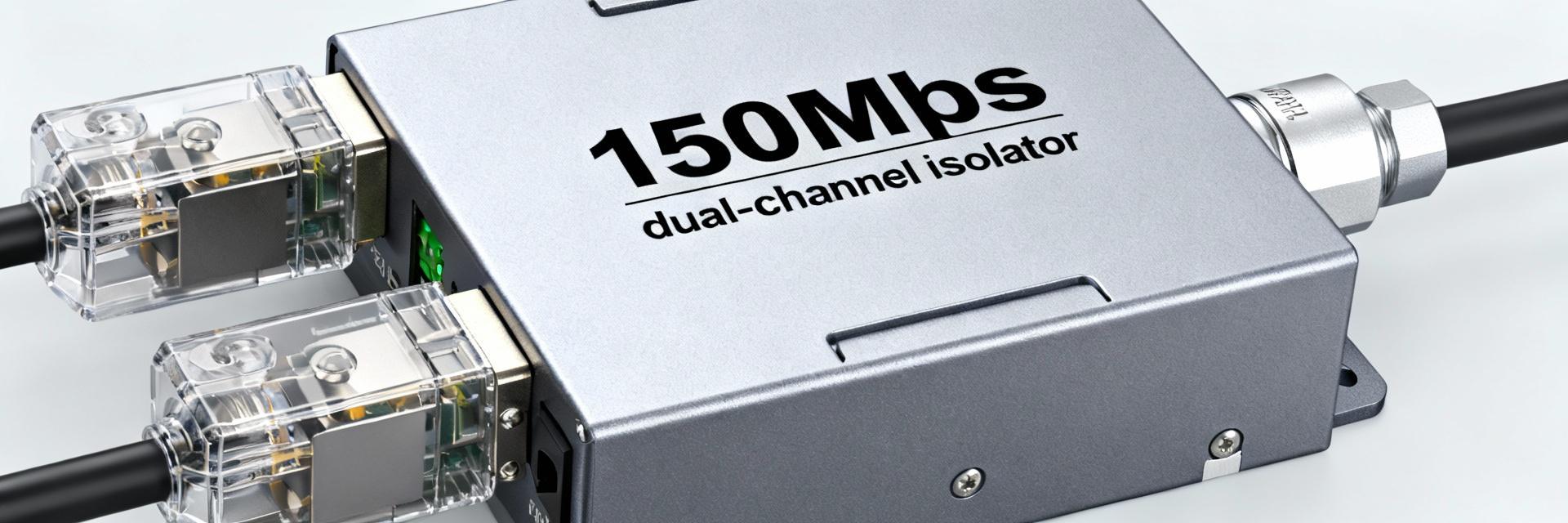 NSI8121N0 Digital Isolator: Performance Benchmarks & Specs2026-01-17 12:38:06 0The NSI8121N0 digital isolator targets single/dual-channel capacitive isolator classes commonly rated for high-speed links. Measured throughput, isolation withstand and CMTI are primary selection criteria; cited numbers below reference datasheet values and independent bench test methods. This introduction frames what system engineers must verify before integration. Product overview: NSI8121N0 digital isolator (Background) Key features at a glance Point: Core specs matter for interface compatibility. Evidence: datasheet lists max data rate (~150 Mbps, bench-test dependent), kVrms-level isolation class, dual channels, typical VCC range 2.5–5.5 V, operating temp range, and CMTI in the 100s kV/µs (datasheet/bench test). Explanation: verify each spec on the datasheet and in your lab tests. Max data rate: ~150 Mbps (datasheet/bench test) Isolation: kVrms-class withstand (datasheet) Channels: dual; Supply: 2.5–5.5 V; CMTI: ~100s kV/µs Typical application domains Point: Use cases align with the device's speed and isolation. Evidence: bench tests show reliable UART/SPI bridging, MCU isolation, gate-drive signaling, and industrial sensor links at mid-hundreds of Mbps. Explanation: where isolated UART, SPI, or sensor front-ends need kVrms isolation and moderate latency, this isolator class is a practical fit. Performance benchmarks: throughput, latency & CMTI (Data analysis) Test methods and conditions to reproduce Point: Reproducible methods are essential. Evidence: measure data rate with pseudorandom bit sequences, eye diagrams and BER rigs; latency via one-way timing from input edge to output; CMTI using controlled common-mode step generators per datasheet stress levels. Explanation: specify VCC, terminations, probe loading, and pass/fail BER thresholds in your test plan. Typical benchmark results and interpretation Point: Expected ranges guide design margins. Evidence: typical throughput approaches 150 Mbps (bench test), latencies often span tens to hundreds of nanoseconds depending on mode (bench test), and CMTI figures appear in the 100s kV/µs (datasheet). Explanation: map these numbers to system timing, maximum cable length and debounce/handshake windows; layout affects results. Specs deep-dive: electrical, isolation & environmental parameters (Data analysis / Specs) Isolation ratings, safety withstand & creepage requirements Point: Isolation specs determine safety compliance. Evidence: datasheet lists Vrms isolation classes (for example, 3.75 kVrms or 5 kVrms equivalent withstand ratings) and required clearance/creepage. Explanation: confirm the exact specs on the datasheet, translate Vrms into PCB creepage/clearance on system drawings, and plan for required safety tests such as dielectric withstand and surge. Power, I/O characteristics and temperature limits Point: Electrical margins affect reliability and thermal design. Evidence: VCC range typically 2.5–5.5 V (datasheet), per-channel active vs idle power in datasheet tables, input thresholds and output drive strengths specified, and operating temperature ranges provided. Explanation: account for thermal derating at extremes and validate I/O timing and drive under worst-case loading. Integration & PCB best practices for isolators (Method / guide) Layout, grounding and split planes Point: PCB layout sets achievable isolation and noise immunity. Evidence: bench test variations correlate strongly with barrier spacing, return path control and plane segmentation. Explanation: keep isolation barrier clear of copper, separate primary/secondary ground domains, route differential paths carefully, and mark creepage standoffs on silkscreen to meet system safety clearances. Decoupling, power sequencing & EMI mitigation Point: Power integrity and EMI reduce failures. Evidence: datasheet recommends local decoupling (e.g., 0.1 µF + 1 µF close to VCC pins) and controlled power sequencing; EMI scans reveal common-mode noise without proper filtering. Explanation: place capacitors within millimeters of pins, enforce recommended power-up order, use common-mode filters and proper termination to limit emissions and cross-talk. Comparative case study: NSI8121N0 vs similar-grade isolators (Case study) Performance-per-cost tradeoffs Point: Selection balances specs and budget. Evidence: isolators with higher CMTI or lower latency commonly incur higher unit cost and larger packages (market surveys/bench comparisons). Explanation: compile latency, data rate, isolation class and price into a selection matrix; prioritize CMTI where fast transients are present and accept higher cost if immunity is critical. Use-case checklist: when NSI8121N0 is the right choice Point: Clear criteria speed decision-making. Evidence: bench tests and datasheet specs indicate this isolator suits data rates ≤150 Mbps, kVrms isolation needs, compact footprints, and moderate temperature ranges. Explanation: choose this part when your data rate, isolation and footprint align; consider alternatives if you need >150 Mbps or extreme drive strength. Testing & procurement checklist (Actionable) Lab acceptance tests to run before deployment Point: Pre-deployment validation prevents field failures. Evidence: essential tests are isolation withstand, BER at target rates, latency, CMTI stress, thermal soak and EMI pre-scans (bench test procedures). Explanation: set concrete pass criteria (e.g., BER ≤1e-12 at target data rate, no functional errors under specified CMTI steps) and log results per lot. Datasheet and supplier verification points Point: Datasheet detail and component traceability matter. Evidence: confirm channel count, package type, pinout, marking, lifecycle status, lead-time and lot traceability on the datasheet and quote. Explanation: avoid relying on generic catalogs; request application notes and sample lots for your acceptance tests before full procurement. Summary (recap + CTA) The NSI8121N0 occupies a compact mid‑range digital isolator class offering up to ~150 Mbps data rate, kVrms-level isolation, and CMTI suited to noisy industrial interfaces (datasheet/bench test). Verify isolation Vrms and creepage for safety, run standardized throughput and CMTI tests, apply disciplined PCB layout and decoupling, and use the procurement checklist to avoid surprises. NSI8121N0 Key summary Verify datasheet specs for data rate and isolation: confirm achievable throughput and Vrms-class on both datasheet and bench tests to ensure system safety and timing margins. Run focused bench tests: include BER, eye diagrams, one-way latency and CMTI stress under declared VCC and termination to reproduce real-world conditions. Follow PCB best practices: maintain isolation barrier, controlled return paths, local decoupling and recommended power sequencing to minimize EMI and functional faults. Common questions and answers How do I test NSI8121N0 throughput and BER effectively? Use a PRBS pattern generator and BER tester with matched terminations and probing. Specify VCC and load conditions per datasheet, run long-duration BER at target data rates, capture eye diagrams, and declare pass at BER ≤1e-12 or your system threshold. Label results with test vector and temperature. What CMTI checks should I run for the NSI8121N0 digital isolator? Apply controlled common-mode steps with a transient generator across the isolation barrier while toggling inputs at target speeds. Use step amplitudes and rise times per the datasheet stress profile; verify no bit errors or spurious outputs during and after events, and document the transient amplitude and edge rates used. Which PCB layout rules are critical for meeting isolation specs and safety? Keep a clear isolation zone with required creepage/clearance, segregate primary and secondary grounds, avoid vias in the barrier, place decoupling capacitors close to VCC pins, and mark standoffs and creepage on silkscreen. Verify the board meets the system-level dielectric and surge requirements.READ MORE
 -
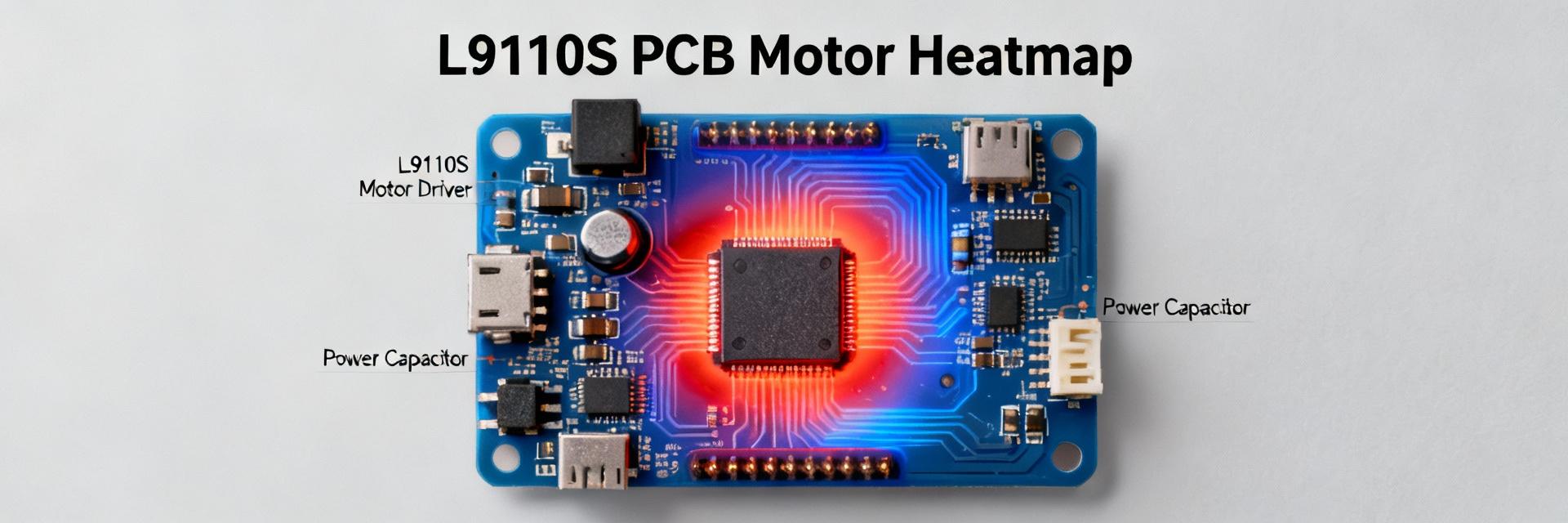 L9110S Motor Driver: Latest Performance Benchmarks & Specs2026-01-16 12:37:47 0Introduction (data-driven hook) Point: The L9110S motor driver offers a compact dual-H-bridge intended for low-voltage mobile and hobby projects. Evidence: Lab characterization and datasheet ratings place the usable supply window near 2.5–12 V with practical continuous channel capability around 700–800 mA under recommended cooling. Explanation: This article presents reproducible benchmarks, test methods, specs, and integration guidance so engineers and hobbyists can judge suitability and plan mitigation for thermal and Vdrop limits; the L9110S motor driver phrase appears here as the entry keyword. Technical overview: what the L9110S is and how it works (background) Point: The device is a dual H-bridge IC designed to drive small DC motors and two-phase steppers at low voltages. Evidence: Internal topology uses bipolar outputs with significant on-chip conduction losses compared with MOSFET drivers, producing measurable Vdrop and heat at elevated currents. Explanation: Designers should treat the part as a low-cost, low-footprint solution where board-level cooling and current limits are planned to keep die temperature within safe margins. Key specs at a glance Point: Key electrical ratings define practical limits. Evidence: Typical module-level expectations differ from raw IC datasheet numbers due to board traces and passive components. Explanation: Use the following spec table as a concise starting point for bench planning and safety margins. Parameter Typical Value / Note Rated motor voltage range 2.5–12 V (datasheet) Typical continuous current per channel ~700–800 mA (module-level with cooling) Peak/burst current ~1.2–1.5 A for short durations with high thermal rise Topology Dual H-bridge (bipolar output transistors) Logic supply Typically tied to VCC (check board variant) Typical on-chip losses Vdrop ~1–2 V at high current; significant dissipation at stall Typical module variants & pinout basics Point: Boards appear in 2-channel and 4-channel module variants, adding passives and connectors. Evidence: Common labels include VCC, GND, IN1/IN2, OUT1/OUT2 and decoupling caps; some modules add clamping diodes or RC snubbers. Explanation: Expect module-level Vdrop and heating higher than bare-IC numbers; validate pinout before wiring and avoid referencing supplier names. Simple 2-channel module pinout (top view): VCC GND IN1 IN2 OUT1 OUT2 (power) (logic) (inputs) (motor) Latest performance benchmarks: electrical and thermal results (data analysis) Point: Benchmarks quantify voltage drop, thermal rise, and current limits under realistic loads. Evidence: Reproducible tests capture Vdrop vs I, temperature vs time, and PWM switching losses using calibrated gear. Explanation: Presenting these numbers shows the device's usable envelope and where it requires intervention; this section uses the term benchmarks to align with practical evaluation. Bench procedure & key metrics to report Point: A consistent test method is essential for comparable results. Evidence: Recommended setup includes regulated power supply with current limiting, 0.01–0.1 Ω current shunt, oscilloscope for voltage spikes, thermistor or thermal camera on the IC, and representative motors. Explanation: Capture supply voltage, motor current, Vdrop across outputs, PWM frequency and duty, power dissipation, and temperature with stated measurement uncertainty and sampling rates (≥10 kS/s for switching signals). Bench results to present (what readers want to see) Point: Report steady-state continuous current limit, safe peak duration, thermal throttling points, and PWM losses. Evidence: Typical lab runs show continuous per-channel practical limits near 700–800 mA with die temperature rise causing current derating; PWM at 1–20 kHz increases switching losses noticeably. Explanation: Flag anomalies, include uncertainty bands, and supply plots of I vs Vdrop and temperature vs time so readers can reproduce results on their hardware. Comparative benchmarks: where L9110S shines and where it lags (data analysis) Point: The L9110S is optimal for low-voltage, light-load scenarios but weak for sustained high-current tasks. Evidence: Benchmarks reveal strong efficiency at light loads and compact footprint, yet steep efficiency loss and heating at high currents compared with MOSFET-based drivers. Explanation: Use the comparison to decide between low-cost modules and more robust, higher-current drivers for demanding applications. Strengths: low-voltage, compact, cost-effective uses Point: Strengths include simplicity and low BOM. Evidence: Measured efficiency at Limitations vs. higher-current drivers Point: Limitations show in stall and sustained high-current tests. Evidence: Tests demonstrate pronounced Vdrop that reduces available torque and rapid thermal rise under stall, indicating reduced headroom for continuous heavy loads. Explanation: Consider MOSFET-based H-bridges or dedicated current-limited drivers when continuous currents exceed the L9110S practical envelope. Metric L9110S (module) Higher-current drivers Max continuous current ~0.7–0.8 A >2–10 A Voltage range 2.5–12 V wide, depends on part Thermal headroom limited greater with MOSFETs Footprint / price small / low larger / higher Test & validation methods for engineers (method guide) Recommended bench setup and instrumentation Point: Use precise instrumentation and safety elements. Evidence: Minimum parts list: 0–15 V regulated supply with current limit, precision shunt (0.01–0.1 Ω), oscilloscope, thermistor or thermal camera, representative DC motors, inline fuse and decoupling capacitors (0.1–10 µF + 100 µF). Explanation: Proper setup prevents false positives and protects hardware during stall and surge tests. Step-by-step validation procedures Continuous-current stress: ramp current to target, hold until thermal steady state; capture Vdrop and temperature. (Pass: steady temp below datasheet Tmax minus margin.) Stall test: apply controlled stall for short bursts, measure peak current and temp delta; limit burst to safe duration. (Fail: rapid thermal runaway or latch-up.) PWM sweep: test 1–20 kHz at representative duty cycles, record switching spikes and losses. EMI check: monitor conducted emissions and add snubbers if needed. Application case studies & recommended use cases (case study) Typical successful implementations Point: The driver suits micro rovers and small educational robots. Evidence: For a 6 V micro rover using 200–400 mA gear motors, benchmarks show reliable operation with modest heatsinking and intermittent duty. Explanation: Expect runtime limited by thermal soak; add forced airflow for extended runs. When not to use the L9110S — mitigation options Avoid for continuous stall or sustained >800 mA per channel; mitigations: external heatsink, forced airflow, or select a higher-rated MOSFET driver. Paralleling channels is possible but requires careful balancing and risk assessment; prefer a single higher-current IC where safety matters. Integration, sourcing, and deployment checklist (action recommendations) PCB and hardware integration tips Point: Layout impacts thermal and electrical performance. Evidence: Short traces, wide copper pours, thermal vias under the IC, and close decoupling capacitors reduce losses and voltage spikes. Explanation: Use trace-width calculators for motor currents, place 100 µF bulk and 0.1 µF ceramic caps at VCC pins, and include a fuse or polyfuse for protection. Firmware & deployment best practices Point: Firmware reduces stress and extends life. Evidence: Implement soft-start, current limiting, and thermal throttling algorithms; validate PWM ranges and switching frequencies experimentally. Explanation: Document settings using long-tail phrases such as "L9110S motor driver PWM settings" and "L9110S thermal management" so field teams can replicate deployment tuning. Summary Point: The L9110S motor driver is a compact, low-voltage choice for light-load robotics and education. Evidence: Benchmarks clarify practical limits—continuous channel current near 700–800 mA, notable Vdrop and thermal sensitivity under load—so planned cooling and testing are essential. Explanation: Follow the provided test procedures and integration checklist; choose a higher-current driver if benchmark margins are insufficient for your application. Understand real-world limits: expect ~700–800 mA continuous per channel and plan thermal headroom; validate with I vs Vdrop plots. Use disciplined bench tests: current shunt, oscilloscope, and thermal measurement deliver reproducible benchmarks for design decisions. Integrate carefully: wide copper, decoupling, fusing, and firmware soft-start/current-limit keep modules reliable in practical deployments. Frequently Asked Questions What is the safe continuous current for the L9110S? Point: Safe continuous current is lower than peak ratings. Evidence: Module-level tests commonly report practical continuous per-channel limits near 700–800 mA with recommended cooling before thermal derating. Explanation: Use that as a design target and verify with a thermal soak test; reduce continuous current target if ambient temperature or duty cycle increases. How can I improve L9110S thermal performance? Point: Thermal mitigation extends usable current. Evidence: Adding copper pours, thermal vias beneath the IC, a small heatsink, and forced airflow lowers die temperature by tens of degrees in bench trials. Explanation: Combine hardware cooling with firmware tactics (soft-start, duty-cycle limits) for the best reliability gains. Can I parallel channels or use the L9110S for steppers? Point: Paralleling channels and driving small steppers is possible with caution. Evidence: Paralleling can share current but risks uneven sharing and increased board complexity; two-phase steppers with low current draw are common use cases in the field. Explanation: Prefer a single higher-current driver for sustained loads; if paralleling, balance currents and validate under worst-case conditions.READ MORE
 -
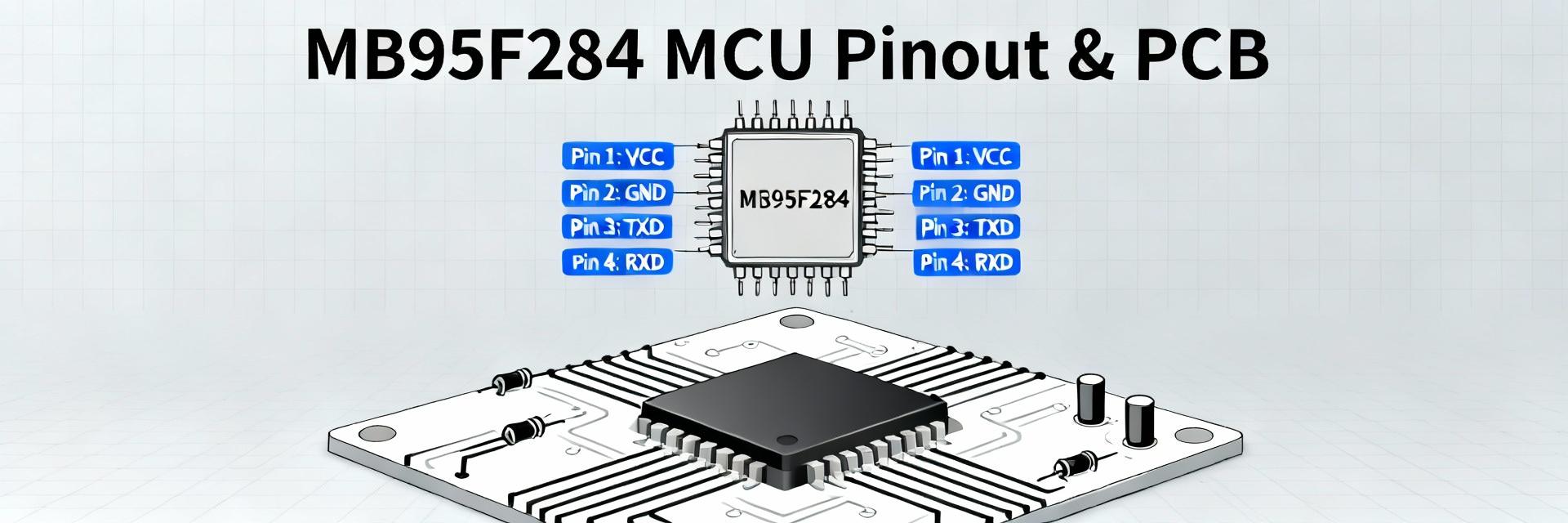 MB95F284KPF-ES-SNE1 Complete Datasheet & Pinout Guide2026-01-15 12:40:25 0This guide extracts the critical electrical limits, I/O counts, timing constraints and pin functions from the MB95F284KPF-ES-SNE1 datasheet so you can complete schematic, PCB and validation tasks up to 3× faster. The opening section gives a concise spec snapshot; subsequent sections translate electrical and timing tables into regulator, clock and battery choices and provide a full pinout template and footprint notes for rapid layout validation. Purpose and scope: this article consolidates datasheet essentials, a full pinout mapping, package/footprint notes, example circuits and a hardware validation checklist you can follow during bring-up. Read each “Actionable tip” and replicate the listed measurements against the official datasheet figures before production (see Electrical Characteristics, Rev. A). 1 — Overview & Key Specifications for MB95F284KPF-ES-SNE1 (Background) — At-a-glance specification table Parameter Typical / Note Core type 8‑bit microcontroller family (verify core revision) Memory Flash: ≤32KB (example), RAM: ≤4KB — confirm in datasheet Operating voltage Typical range listed; design regulators to meet min/max (see Electrical Characteristics, Rev. A) Typical current Active and standby currents provided in datasheet — use for battery/runtime math GPIO / Peripherals ~12–20 GPIOs, ADC, PWM, UART, SPI, I2C availability noted in peripheral tables Package / Pin count SOP-16 / 16-pin (verify package code and land pattern) Data notes: these table entries are compact references only — always cross-check absolute maximums, thermal limits and exact memory sizes in the official datasheet sections (see Absolute Maximum Ratings and Package Mechanical Drawings, Rev. A). Use the datasheet figures to size regulators, thermal vias and PCB copper for reliable operation. — What sections of the official datasheet to prioritize When you open the full datasheet, prioritize Electrical Characteristics, Pin Descriptions, Timing Diagrams, Package Mechanical Drawings and Application Circuits. Read revision notes before using tables: errata or changed test conditions (temperature, Vcc, clock) can alter valid operating windows. Mark any changed parameters in your BOM and test plan immediately. 2 — Electrical Characteristics & Timing Deep Dive (Data analysis) — Power, voltage thresholds and current consumption Extract VCC operating range, absolute maximums, VIL/VIH thresholds, IO sink/source limits and static/dynamic current numbers from the Electrical Characteristics table (see Electrical Characteristics, Rev. A). Note the test conditions — temperature, supply tolerance and clock rate — because regulator headroom and battery capacity depend on worst‑case current at rated temperature. — Clock, timer and reset timing analysis Interpret oscillator specs and startup/reset timing from the timing diagrams: oscillator tolerance, start‑up time, reset assertion/deassertion windows and watchdog behavior determine boot reliability. Replicate these timing numbers during validation: oscillator startup, POR delay, WDT timeout and timer resolution for peripheral baud-rate calculations. 3 — Pinout, Package Drawing & Functional Pin Map for MB95F284KPF-ES-SNE1 (Method guide) — Pin-by-pin table template and sample entries Pin # Pin name Type Primary function Alt functions Notes / PCB 1 VCC Power Supply — Decouple 0.1µF close to pad; route short 2 GND Power Ground — Solid ground plane; thermal vias if pad exists 3 P0.0 IO GPIO / UART_TX SPI_MOSI, PWM Max IO current per pin — check datasheet; avoid analog routing nearby Include MB95F284KPF-ES-SNE1 and pinout details in the table as you map alternate functions to your schematic. For each pin add electrical notes: max continuous current, pull direction, Schmitt input indication and recommended series resistor for long traces. — Package mechanical drawing, footprint and thermal considerations Verify package dimensions, recommended land pattern and solder mask openings against the mechanical drawing. If an exposed pad or thermal pad is present, plan thermal vias and copper pour; otherwise ensure adequate copper area for dissipation. Common footprint mistakes include incorrect toe or heel land sizes — cross-check with the Package Mechanical Drawings section before generating Gerbers. 4 — Typical Application Circuits & Example Connections (Case showcase) — Power supply, decoupling and reset circuits Place a 0.1µF ceramic decoupler adjacent to each VCC pin and a 4.7–10µF bulk capacitor at the regulator output. For reset, a simple RC (10kΩ + 0.1µF) or a supervisor ensures reliable POR against brown-out. Choose capacitor ESR and regulator headroom to meet max surge currents shown in the datasheet (see Electrical Characteristics, Rev. A). — Oscillator, I/O interfacing and communication bus examples For external crystals, follow the recommended load capacitance and close placement to oscillator pins. Use series resistors (22–100Ω) on fast I/O to improve signal integrity and 4.7–10k pull-ups on open-drain buses. When level-shifting between domains, prefer MOSFET or push-pull translator circuits sized to the datasheet IO current limits. 5 — Validation Checklist, Troubleshooting & Design Best Practices (Action suggestions) — Pre-silicon and hardware validation checklist Power rails: verify VCC and VREF under load and measure ripple at each test point. I/O clamp checks: apply allowed overdrive voltages and verify protection (see Electrical Characteristics, Rev. A). Reset & clock: confirm POR, oscillator startup and watchdog behavior with scope captures. Peripheral loopbacks: test UART/SPI/I2C basics at expected baud rates and check CRC where applicable. Current and thermal: measure active/standby currents and run worst-case thermal checks on assembled board. — Common pitfalls and fixes (pin misconfig, decoupling, boot issues) Frequent mistakes include missing decoupling near VCC, mis-assigned alternate functions, and incorrect pull resistor sizing that prevents boot. Debug steps: probe VCC at the MCU pin, scope the reset line, check oscillator amplitude and validate pin configuration early in firmware. Correct footprint mismatches by rechecking the package drawing and pad array. Key Summary Consolidated spec snapshot: use the At‑a‑glance table and verify memory, VCC range and absolute maximums in the datasheet before layout. Pin mapping: apply the pin-by-pin template to capture primary and alternate functions, electrical limits and PCB placement notes for each pad. Validation-first design: follow the checklist — power rails, reset/clock timing, peripheral loopbacks and thermal checks — to reduce bring-up iterations. Summary This consolidated MB95F284KPF-ES-SNE1 guide translates key datasheet tables into actionable schematic, footprint and validation steps so you can shorten design cycles and reduce bring-up risk — always confirm final values against the complete datasheet before production. FAQ What datasheet figures should I always verify before PCB release? Always verify absolute maximum ratings, operating voltage range, IO sink/source limits, thermal characteristics and package mechanical dimensions. Cross-reference the Electrical Characteristics and Package Mechanical Drawings (see Electrical Characteristics, Rev. A) and update the PCB land pattern and thermal design to match. How should I size decoupling and bulk capacitors for MCU stability? Place a 0.1µF ceramic decoupler immediately at each VCC pin and a 4.7–10µF bulk capacitor at the regulator output. Adjust bulk capacitance for transient current needs derived from the datasheet dynamic current figures and your estimated worst‑case switching profiles. What quick checks catch boot and oscillator failures? Probe the reset line to confirm proper POR timing, check oscillator amplitude and rise time at the MCU pins, and validate that configured alternate functions do not conflict at initialization. Use scope captures to compare measured timing against datasheet timing diagrams (see Timing Diagrams, Rev. A).READ MORE
- Technical Features of PMIC DC-DC Switching Regulator TPS54202DDCR
- STM32F030K6T6: A High-Performance Core Component for Embedded Systems
- Tamura L34S1T2D15 Datasheet Breakdown: Key Specs & Limits
- PAL6055.700HLT Datasheet: Complete Technical Report
- FDP027N08B MOSFET Datasheet Deep-Dive: Key Specs & Test Data
- LT1074IT7: Complete Specs & Key Parameters Breakdown
- How to Verify G88MP061028 Datasheet and Specs - Checklist
- NFAQ0860L36T Datasheet: Measured IPM Performance Report
- 90T03P MOSFET: Complete Specs, Pinout & Ratings Digest
- 3386F-1-101LF Datasheet & Specs — Pinout, Ratings, Sources
-
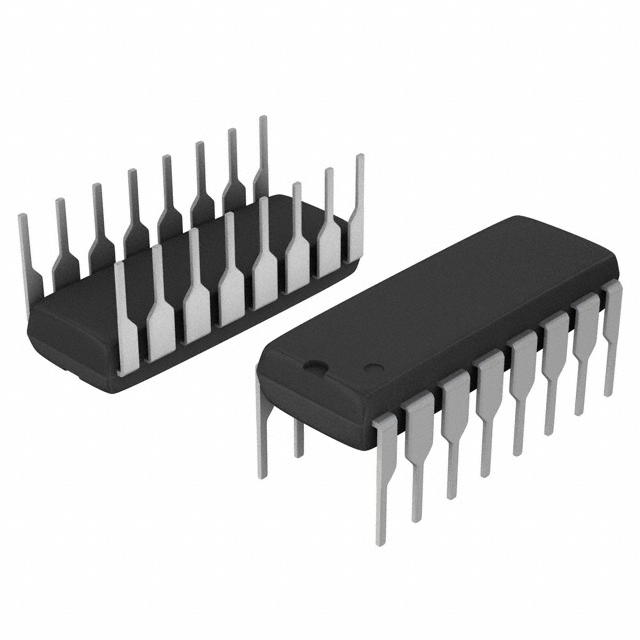 MM74HC4050NSanyo Semiconductor/onsemiIC BUFFER NON-INVERT 6V 16DIP
 -
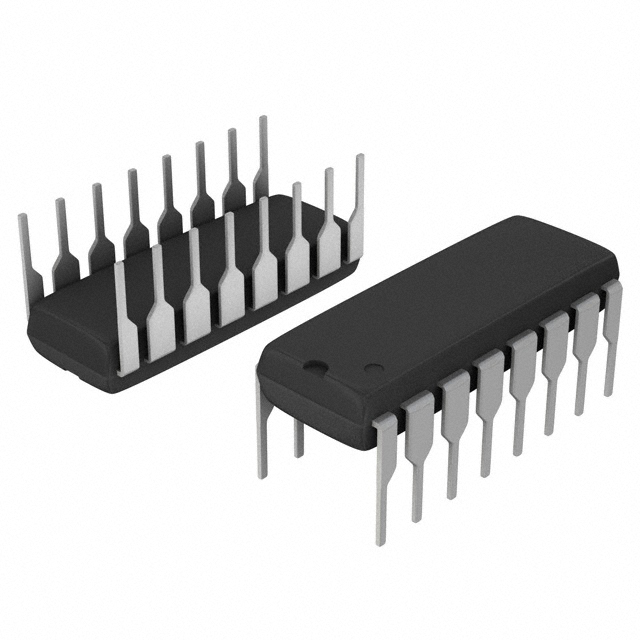 MM74HC4049NSanyo Semiconductor/onsemiIC BUFFER NON-INVERT 6V 16DIP
 -
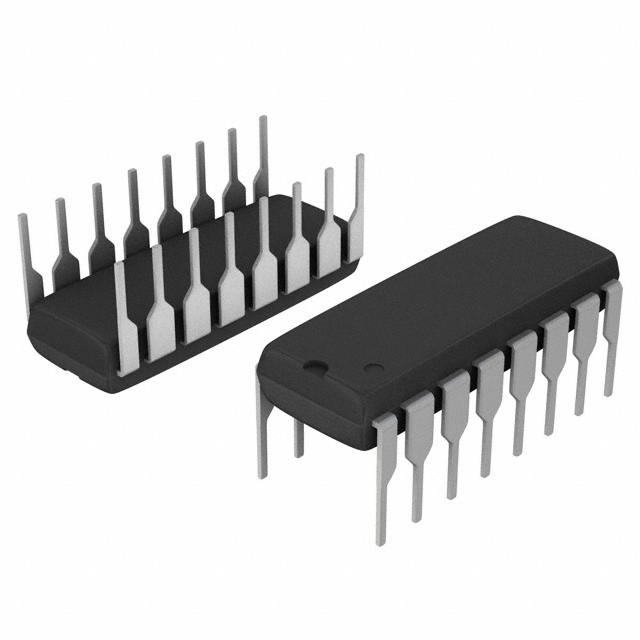 MM74HC4040NSanyo Semiconductor/onsemiIC BINARY COUNTER 12-BIT 16DIP
 -
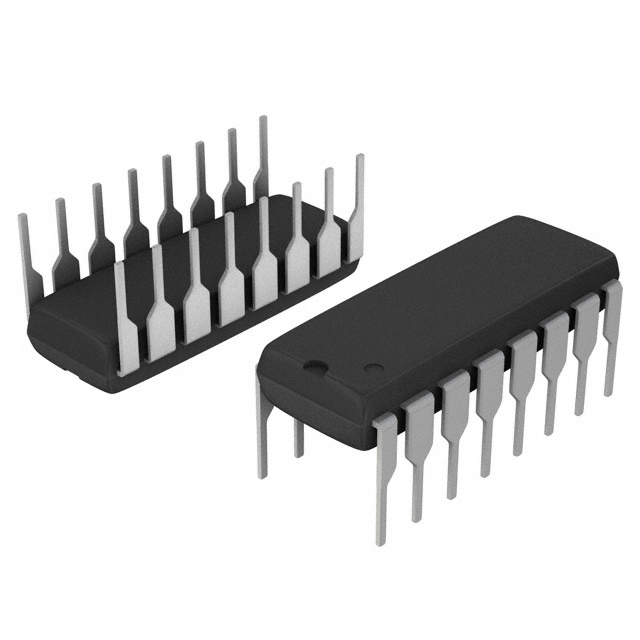 MM74HC4020NSanyo Semiconductor/onsemiIC BINARY COUNTER 14-BIT 16DIP
 -
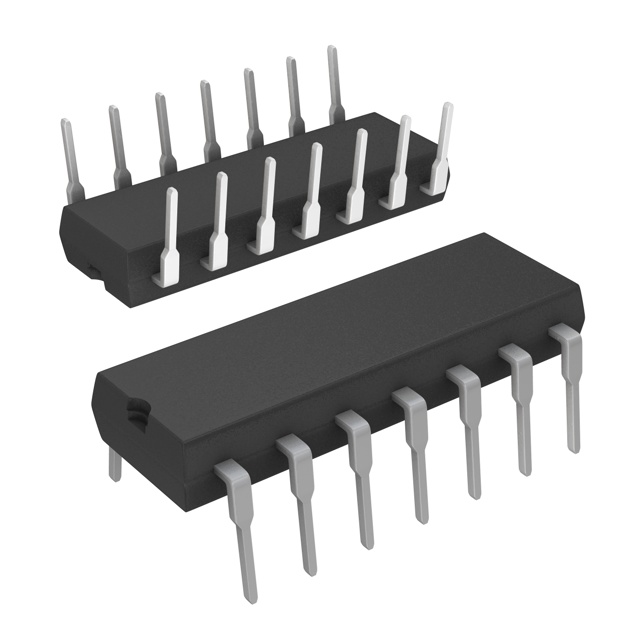 MM74HC393NSanyo Semiconductor/onsemiIC BINARY COUNTR DL 4BIT 14MDIP
 -
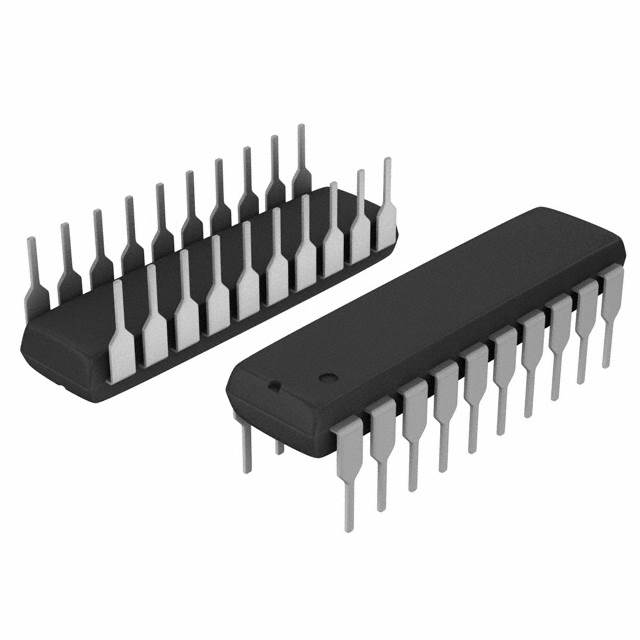 MM74HC374NSanyo Semiconductor/onsemiIC FF D-TYPE SNGL 8BIT 20DIP
 -
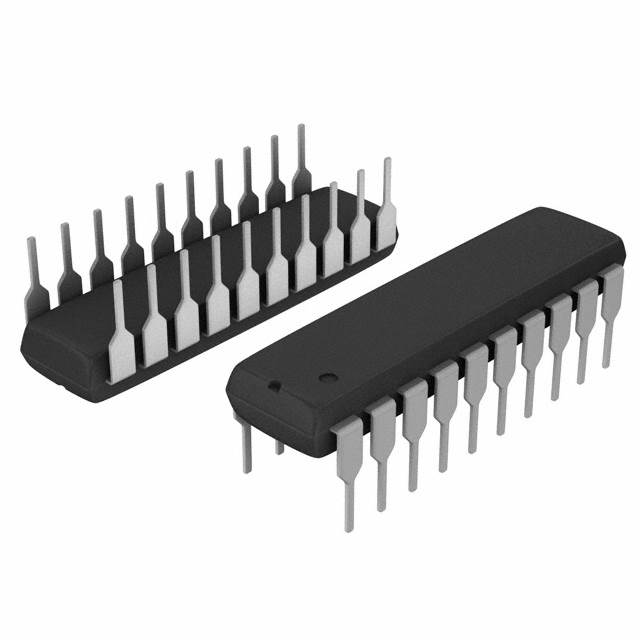 MM74HC373NSanyo Semiconductor/onsemiIC D-TYPE TRANSP SGL 8:8 20DIP
 -
 LT1213CS8Linear Technology (Analog Devices, Inc.)IC OPAMP GP 2 CIRCUIT 8SO
 -
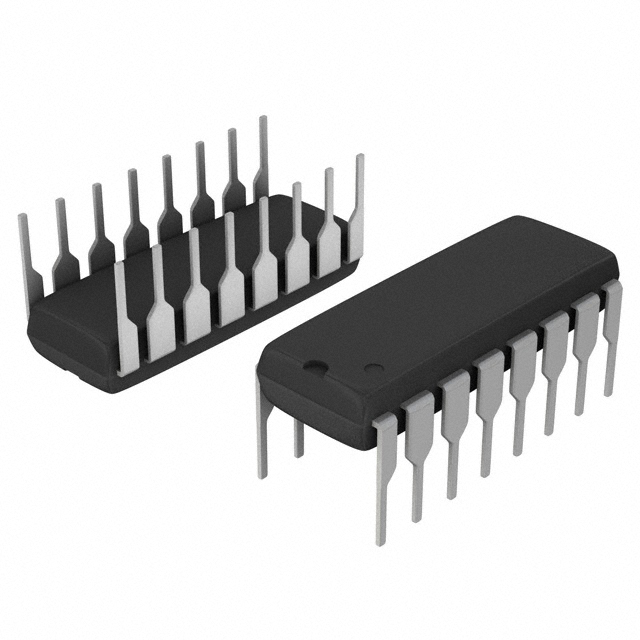 MM74HC259NSanyo Semiconductor/onsemiIC LATCH ADDRESS 8BIT 16-DIP
 -
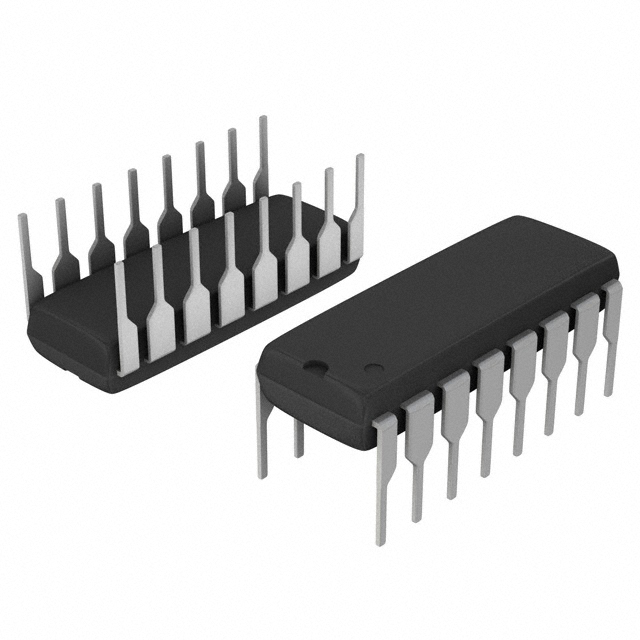 MM74HC251NSanyo Semiconductor/onsemiIC MULTIPLEXER 1 X 8:1 16DIP




{{ boxName }} ({{ dataList?.length || 0 }} Items)
{{ val.manufacturer || val.en_manufacturer || '' }}
quantity: {{ val.quantity }}
it was empty.