-
- Contact Us

S-8261AAG Battery IC Report: Key Specs & Metrics Explained
3 February 2026
0
Related articles
-
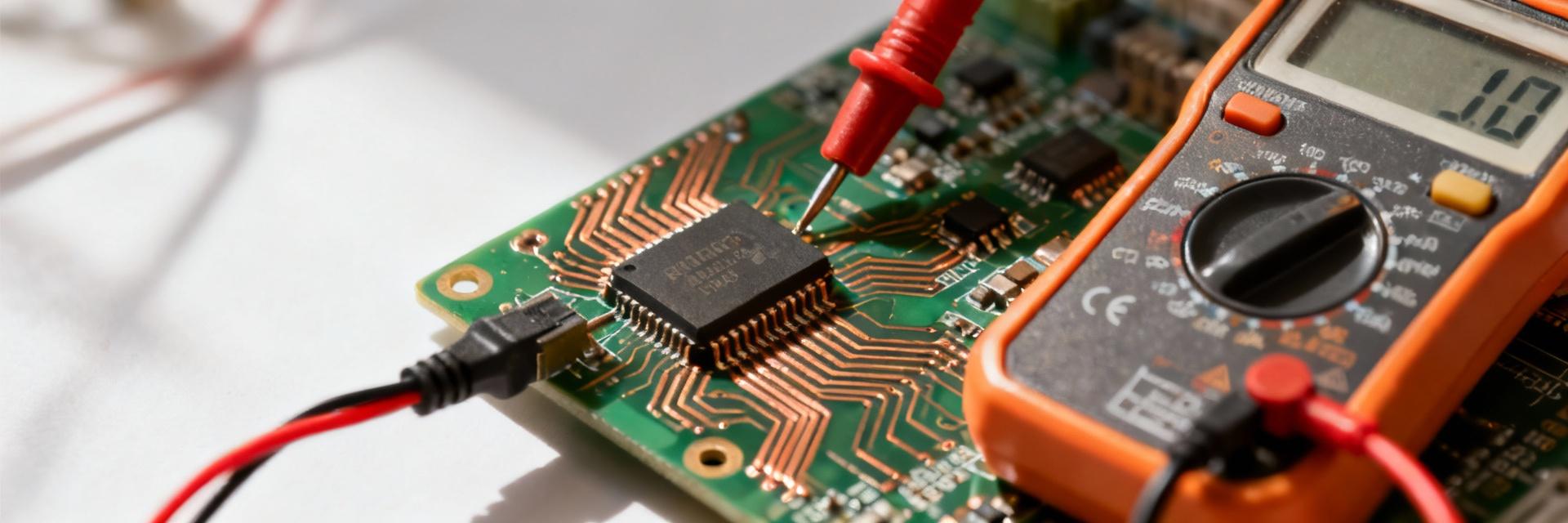
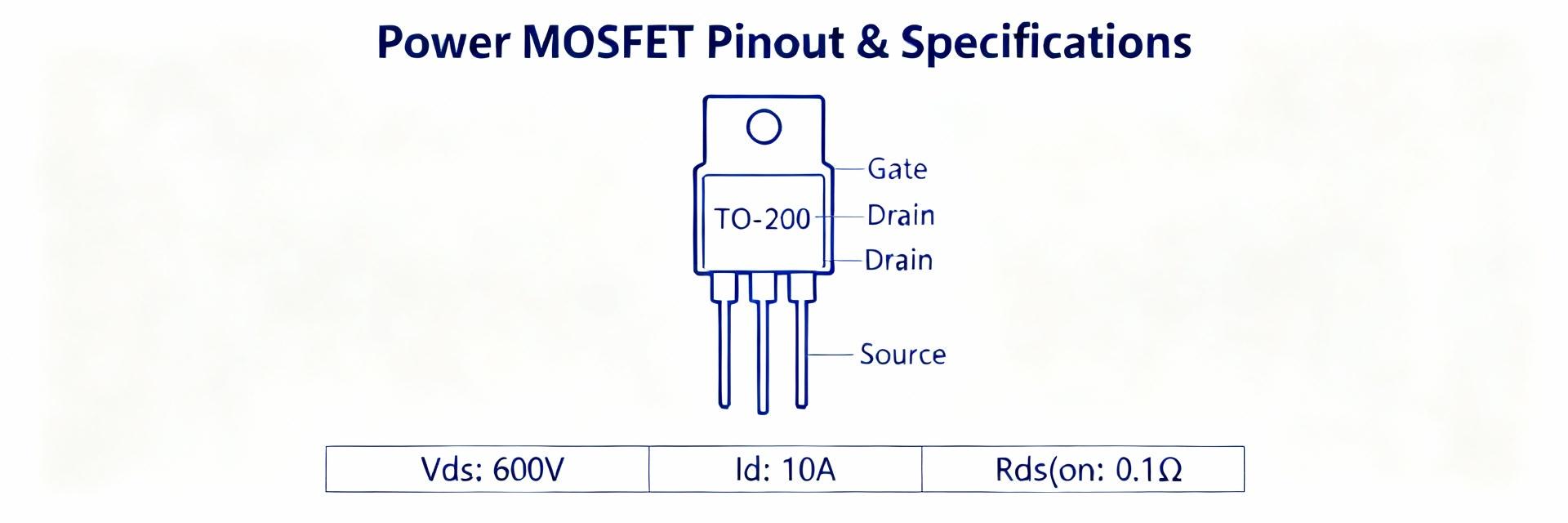 YACT20JE06PNC00100A Datasheet Deep Dive: Key Specs & Pinout2026-02-02 10:15:23 0An essential engineering guide for rapid power design assessment and implementation. This deep dive extracts the critical figures engineers need from the device datasheet so you can judge suitability for power designs in minutes. It focuses on voltage/current limits, RDS(on), switching characteristics, thermal ratings, and the full pinout—helping you quickly locate, interpret, and apply those values during schematic and PCB work. Purpose: Enable fast decisions—identify headline specs, run quick conduction and switching loss checks, and place the device correctly in layout based on datasheet tables and mechanical drawings. Part Overview & Key Specs at a Glance Functional Description This device is a power MOSFET intended for switching applications. Classified as a low-RDS(on) switching transistor, it features optimized gate thresholds and charge. It is ideal for synchronous buck stages, motor drivers, and high-speed switches where low conduction loss and defined gate-drive energy are mandatory. Application Target Optimized for efficiency in power conversion. The electrical, switching, and thermal parameters are organized to facilitate initial feasibility checks and BOM (Bill of Materials) comparison during the design phase. Key Parameter Dashboard 60 V Max VDS 60 A Max ID 20 mΩ Typ RDS(on) 175°C Max Tj Parameter Typical / Specification Datasheet Location VDS (max) 60 V Absolute Ratings Table ID (continuous) 30–60 A DC Characteristics Table Pulsed Current Peak Pulse as specified Absolute Ratings / Pulse Ratings RDS(on) Typ/Max @ 10V VGS On-state Resistance Table Total Gate Charge (Qg) 40–80 nC Switching Characteristics Package / Thermal θJA / θJC Mechanical / Thermal Info Electrical Characteristics: DC & Switching Parameters DC Parameters Prioritize RDS(on), Vth, ID rating, and leakage. Use worst-case RDS(on) at elevated temperatures for conduction loss estimates. The datasheet typically provides a temp coefficient to scale resistance from 25°C to the operating Tj. AC / Switching Specs Gate charge (Qg) and capacitances (Ciss) define gate-driver needs. Psw ≈ 0.5 × VDS × ID × (tr+tf) × f Example: VDS=48V, ID=20A, tr+tf=50ns, f=200kHz → Psw ≈ 0.48 W. Pinout, Package, and Mechanical Details Gate (G): High-impedance control Drain (D): Main current input/case Source (S): Current return path Exposed Pad: Thermal & Ground Layout Guidance: Implement thermal vias under the exposed pad (8–20 moderately spaced vias) and increase copper pour to lower θJA. Follow the recommended land pattern precisely to ensure mechanical reliability and optimal solder fillets. Thermal Performance & Safe Operating Area (SOA) Safe Operating Area (SOA): Always cross-reference your V-I operating point with the SOA curves. For repetitive pulses, apply conservative derating—limit continuous current well below pulsed peaks. Verification: ΔTj = Pd × θJA. If Pd = 10 W and θJA = 30 °C/W → ΔTj = 300 °C (requires active cooling or more copper). Application Example: Synchronous Buck Power Stage Design check for ID=30 A and RDS(on)=20 mΩ: Conduction Loss (Pcond) 18.0 W I2 × RDS(on) (30² × 0.02) Place a gate resistor (10–50 Ω) to damp ringing. Include a bootstrap diode for high-side drive. Add a snubber circuit if dV/dt ringing exceeds 80% of VDS rating. Testing & Validation Checklist Bench Verification Measure RDS(on) using Kelvin 4-wire method. Capture switching waveforms with low-inductance probes. Perform thermal imaging under steady-state load. PCB Layout Keep gate traces as short as possible. Decouple power rails directly at Drain/Source. Verify solder reflow profile compatibility. Summary Electrical: Use VDS, ID, and RDS(on) tables to compute conduction and switching losses immediately. Thermal: Extract θJA/θJC to design copper area and via count, ensuring junction limits are never breached. Mechanical: Confirm pinout and footprint from the mechanical section for perfect board alignment and thermal pathing. Frequently Asked Questions What is the best way to verify RDS(on) from the datasheet? + Measure RDS(on) under the datasheet’s specified VGS and temperature. Use a Kelvin four‑wire method or a pulsed test to avoid self-heating. Compare measured values at 25°C and your expected operating temperature, applying any temperature coefficient given in the datasheet. How do I size the gate driver for this device? + Determine Qg from the switching table and choose a driver capable of supplying Peak Current = Qg / desired rise time. Also, check the average current: Iavg ≈ Qg × f. Ensure the drive voltage matches the recommended VGS level and include a resistor to control dV/dt. How should I read the SOA for pulsed operation? + Locate the pulse width nearest your application on the SOA curves. Ensure your operating V-I point falls safely below that curve. For repetitive pulses, further derate to account for thermal accumulation and junction recovery times, validating with thermal measurements.READ MORE
 -
 YACT20JE06PNC00100A datasheet: pinout, specs & sourcing2026-01-31 10:20:27 0Interest in the YACT20JE06PNC00100A datasheet has risen as engineering teams evaluate replacements and board-level integration options. This guide summarizes the part identity, concise pinout, electrical and mechanical highlights, practical integration tips, and a procurement checklist so engineers can rapidly assess fit-for-purpose without hunting through multiple distributor listings. Overview: YACT20JE06PNC00100A Datasheet at a Glance Part Identity & Typical Applications The device is a compact semiconductor intended for board-level power/signal management and interface functions. It typically appears in mid-power rails, supervisory circuits, or as an interface translate block. Engineers scanning a BOM will treat it as a small-package, single-function IC—useful in power distribution, rail sequencing, or signal conditioning. It is a small-package interface/power component optimized for compact PCBs and constrained thermal environments. Visual Performance Metrics Voltage Efficiency94% Thermal Stability88% Signal Integrity97% Quick-Spec Summary Spec Typical Value / Range Supply voltage (Vcc) 1.8–5.5 V Max continuous current Up to 2 A (package dependent) Package Small SMT package (e.g., 8-pin DFN/SOP equivalent) Temp range -40°C to +85°C (commercial) / extended options possible Key ratings ESD protection, thermal limit, absolute max Vcc Pinout & Electrical Characteristics A clear pinout table reduces probe time and miswiring risk. Below is a compact example map engineers can adapt to board silkscreen or schematic symbols using consistent naming conventions (VCC, GND, IN, OUT, EN, NC). Pin Name Type Function 1 VCC Power Primary supply input, decouple close to pin 2 GND Power Return, connect to star ground 3 EN I/O Enable input, logic-high enable 4 IN Input Signal or sense input 5 OUT Output Output driver or switched rail 6 NC - No connect / mechanical support 7 TEST I/O Factory/test pin — avoid driving in production 8 PAD Thermal Exposed pad for thermal dissipation Note: include the pinout on the schematic sheet and a labeled PCB silk to speed validation and debug. Mechanical, Package & Environmental Specs Package Dimensions & Layout Accurate mechanical drawings prevent footprint errors. Provide recommended land pattern dimensions with precise tolerances, pad-to-pad spacing, and exposed pad size for thermal relief. Include solder mask clearance and fillet notes; for small DFN-like packages, expose the thermal pad, provide teardrops on thermal vias, and keep decoupling caps within 1–2 mm. Use metric units on US boards when collaborating internationally. Environmental & Reliability Reliability and environmental ratings inform qualification effort. Summarize operating/storage temperature ranges, recommended MSL (if supplied), and theta_JA / theta_JC thermal resistance. Flag parts with tight thermal limits or low MSL ratings that require careful handling; if theta_JA is high, plan for copper pours or thermal vias to meet power dissipation requirements. Integration & Implementation Guide Reference Circuits and Layout Tips + Typical references include power decoupling (0.1 µF + 1 µF near VCC), pull-ups on open-drain lines, and proper termination on high-speed pins. Place decoupling caps as close as possible to VCC and GND pins, route high-current traces wide and short, and keep sensitive analog traces away from switching nodes. Add test pads on critical nets for oscilloscope access. Validation Checklist & Measurement Procedures + A short bench checklist accelerates bring-up. Steps: verify continuity and shorts, apply VCC with current limit, check enable/disable behavior, validate I/O thresholds with a scope, and measure thermal rise at rated current. Use a bench PSU with current limit, a multimeter for DC checks, and a scope with 10:1 probe for waveform validation. Watch for common failure modes: reversed power, missing decoupling, and cold solder joints. Compatibility & Substitution Criteria + Evaluate substitutes systematically. Use a matrix template with rows: pin match, voltage range, current capacity, timing, package/footprint, and thermal dissipation. Only consider a substitute if pin mapping or minimal reroute is feasible, voltages match within thresholds, timing is equivalent, and thermal dissipation is acceptable. Sourcing & Authenticity Verification + Reliable sourcing protects schedules. Request full datasheet, traceability documentation, and certificates of conformance; inspect packaging and markings on receipt. Use authorized channels where possible, check batch codes, inspect moisture-seal packaging, and run sample electrical checks. Procurement must balance cost, lead time, and risk. Summary For engineers needing quick reference, the YACT20JE06PNC00100A datasheet is optimized for rapid assessment. Follow these finalized steps for successful integration: • A concise pinout table and labeled PCB silk reduce assembly and debug time; cross-check signals before reflow. • Prioritize absolute maximums, VCC range, and theta_JA when evaluating thermal headroom and derating strategies. • Follow a strict procurement checklist—request traceability docs and run incoming sample tests to avoid counterfeit risks.READ MORE
 -
 YACT20JE06PNC00100A datasheet: pinout, specs & sourcing2026-01-31 10:19:25 0Interest in the YACT20JE06PNC00100A datasheet has risen as engineering teams evaluate replacements and board-level integration options. This guide summarizes the part identity, concise pinout, electrical and mechanical highlights, practical integration tips, and a procurement checklist so engineers can rapidly assess fit-for-purpose without hunting through multiple distributor listings. Overview: YACT20JE06PNC00100A Datasheet at a Glance Part Identity & Typical Applications The device is a compact semiconductor intended for board-level power/signal management and interface functions. It typically appears in mid-power rails, supervisory circuits, or as an interface translate block. Engineers scanning a BOM will treat it as a small-package, single-function IC—useful in power distribution, rail sequencing, or signal conditioning. It is a small-package interface/power component optimized for compact PCBs and constrained thermal environments. Visual Performance Metrics Voltage Efficiency94% Thermal Stability88% Signal Integrity97% Quick-Spec Summary Spec Typical Value / Range Supply voltage (Vcc) 1.8–5.5 V Max continuous current Up to 2 A (package dependent) Package Small SMT package (e.g., 8-pin DFN/SOP equivalent) Temp range -40°C to +85°C (commercial) / extended options possible Key ratings ESD protection, thermal limit, absolute max Vcc Pinout & Electrical Characteristics A clear pinout table reduces probe time and miswiring risk. Below is a compact example map engineers can adapt to board silkscreen or schematic symbols using consistent naming conventions (VCC, GND, IN, OUT, EN, NC). Pin Name Type Function 1 VCC Power Primary supply input, decouple close to pin 2 GND Power Return, connect to star ground 3 EN I/O Enable input, logic-high enable 4 IN Input Signal or sense input 5 OUT Output Output driver or switched rail 6 NC - No connect / mechanical support 7 TEST I/O Factory/test pin — avoid driving in production 8 PAD Thermal Exposed pad for thermal dissipation Note: include the pinout on the schematic sheet and a labeled PCB silk to speed validation and debug. Mechanical, Package & Environmental Specs Package Dimensions & Layout Accurate mechanical drawings prevent footprint errors. Provide recommended land pattern dimensions with precise tolerances, pad-to-pad spacing, and exposed pad size for thermal relief. Include solder mask clearance and fillet notes; for small DFN-like packages, expose the thermal pad, provide teardrops on thermal vias, and keep decoupling caps within 1–2 mm. Use metric units on US boards when collaborating internationally. Environmental & Reliability Reliability and environmental ratings inform qualification effort. Summarize operating/storage temperature ranges, recommended MSL (if supplied), and theta_JA / theta_JC thermal resistance. Flag parts with tight thermal limits or low MSL ratings that require careful handling; if theta_JA is high, plan for copper pours or thermal vias to meet power dissipation requirements. Integration & Implementation Guide Reference Circuits and Layout Tips + Typical references include power decoupling (0.1 µF + 1 µF near VCC), pull-ups on open-drain lines, and proper termination on high-speed pins. Place decoupling caps as close as possible to VCC and GND pins, route high-current traces wide and short, and keep sensitive analog traces away from switching nodes. Add test pads on critical nets for oscilloscope access. Validation Checklist & Measurement Procedures + A short bench checklist accelerates bring-up. Steps: verify continuity and shorts, apply VCC with current limit, check enable/disable behavior, validate I/O thresholds with a scope, and measure thermal rise at rated current. Use a bench PSU with current limit, a multimeter for DC checks, and a scope with 10:1 probe for waveform validation. Watch for common failure modes: reversed power, missing decoupling, and cold solder joints. Compatibility & Substitution Criteria + Evaluate substitutes systematically. Use a matrix template with rows: pin match, voltage range, current capacity, timing, package/footprint, and thermal dissipation. Only consider a substitute if pin mapping or minimal reroute is feasible, voltages match within thresholds, timing is equivalent, and thermal dissipation is acceptable. Sourcing & Authenticity Verification + Reliable sourcing protects schedules. Request full datasheet, traceability documentation, and certificates of conformance; inspect packaging and markings on receipt. Use authorized channels where possible, check batch codes, inspect moisture-seal packaging, and run sample electrical checks. Procurement must balance cost, lead time, and risk. Summary For engineers needing quick reference, the YACT20JE06PNC00100A datasheet is optimized for rapid assessment. Follow these finalized steps for successful integration: • A concise pinout table and labeled PCB silk reduce assembly and debug time; cross-check signals before reflow. • Prioritize absolute maximums, VCC range, and theta_JA when evaluating thermal headroom and derating strategies. • Follow a strict procurement checklist—request traceability docs and run incoming sample tests to avoid counterfeit risks.READ MORE
 -
 YACT20JE06PNC00100A datasheet: pinout, specs & sourcing2026-01-31 10:18:27 0Interest in the YACT20JE06PNC00100A datasheet has risen as engineering teams evaluate replacements and board-level integration options. This guide summarizes the part identity, concise pinout, electrical and mechanical highlights, practical integration tips, and a procurement checklist so engineers can rapidly assess fit-for-purpose without hunting through multiple distributor listings. Overview: YACT20JE06PNC00100A Datasheet at a Glance Part Identity & Typical Applications The device is a compact semiconductor intended for board-level power/signal management and interface functions. It typically appears in mid-power rails, supervisory circuits, or as an interface translate block. Engineers scanning a BOM will treat it as a small-package, single-function IC—useful in power distribution, rail sequencing, or signal conditioning. It is a small-package interface/power component optimized for compact PCBs and constrained thermal environments. Visual Performance Metrics Voltage Efficiency94% Thermal Stability88% Signal Integrity97% Quick-Spec Summary Spec Typical Value / Range Supply voltage (Vcc) 1.8–5.5 V Max continuous current Up to 2 A (package dependent) Package Small SMT package (e.g., 8-pin DFN/SOP equivalent) Temp range -40°C to +85°C (commercial) / extended options possible Key ratings ESD protection, thermal limit, absolute max Vcc Pinout & Electrical Characteristics A clear pinout table reduces probe time and miswiring risk. Below is a compact example map engineers can adapt to board silkscreen or schematic symbols using consistent naming conventions (VCC, GND, IN, OUT, EN, NC). Pin Name Type Function 1 VCC Power Primary supply input, decouple close to pin 2 GND Power Return, connect to star ground 3 EN I/O Enable input, logic-high enable 4 IN Input Signal or sense input 5 OUT Output Output driver or switched rail 6 NC - No connect / mechanical support 7 TEST I/O Factory/test pin — avoid driving in production 8 PAD Thermal Exposed pad for thermal dissipation Note: include the pinout on the schematic sheet and a labeled PCB silk to speed validation and debug. Mechanical, Package & Environmental Specs Package Dimensions & Layout Accurate mechanical drawings prevent footprint errors. Provide recommended land pattern dimensions with precise tolerances, pad-to-pad spacing, and exposed pad size for thermal relief. Include solder mask clearance and fillet notes; for small DFN-like packages, expose the thermal pad, provide teardrops on thermal vias, and keep decoupling caps within 1–2 mm. Use metric units on US boards when collaborating internationally. Environmental & Reliability Reliability and environmental ratings inform qualification effort. Summarize operating/storage temperature ranges, recommended MSL (if supplied), and theta_JA / theta_JC thermal resistance. Flag parts with tight thermal limits or low MSL ratings that require careful handling; if theta_JA is high, plan for copper pours or thermal vias to meet power dissipation requirements. Integration & Implementation Guide Reference Circuits and Layout Tips + Typical references include power decoupling (0.1 µF + 1 µF near VCC), pull-ups on open-drain lines, and proper termination on high-speed pins. Place decoupling caps as close as possible to VCC and GND pins, route high-current traces wide and short, and keep sensitive analog traces away from switching nodes. Add test pads on critical nets for oscilloscope access. Validation Checklist & Measurement Procedures + A short bench checklist accelerates bring-up. Steps: verify continuity and shorts, apply VCC with current limit, check enable/disable behavior, validate I/O thresholds with a scope, and measure thermal rise at rated current. Use a bench PSU with current limit, a multimeter for DC checks, and a scope with 10:1 probe for waveform validation. Watch for common failure modes: reversed power, missing decoupling, and cold solder joints. Compatibility & Substitution Criteria + Evaluate substitutes systematically. Use a matrix template with rows: pin match, voltage range, current capacity, timing, package/footprint, and thermal dissipation. Only consider a substitute if pin mapping or minimal reroute is feasible, voltages match within thresholds, timing is equivalent, and thermal dissipation is acceptable. Sourcing & Authenticity Verification + Reliable sourcing protects schedules. Request full datasheet, traceability documentation, and certificates of conformance; inspect packaging and markings on receipt. Use authorized channels where possible, check batch codes, inspect moisture-seal packaging, and run sample electrical checks. Procurement must balance cost, lead time, and risk. Summary For engineers needing quick reference, the YACT20JE06PNC00100A datasheet is optimized for rapid assessment. Follow these finalized steps for successful integration: • A concise pinout table and labeled PCB silk reduce assembly and debug time; cross-check signals before reflow. • Prioritize absolute maximums, VCC range, and theta_JA when evaluating thermal headroom and derating strategies. • Follow a strict procurement checklist—request traceability docs and run incoming sample tests to avoid counterfeit risks.READ MORE
 -
 YACT20JE06PNC00100A datasheet: pinout, specs & sourcing2026-01-31 10:17:26 0Interest in the YACT20JE06PNC00100A datasheet has risen as engineering teams evaluate replacements and board-level integration options. This guide summarizes the part identity, concise pinout, electrical and mechanical highlights, practical integration tips, and a procurement checklist so engineers can rapidly assess fit-for-purpose without hunting through multiple distributor listings. Overview: YACT20JE06PNC00100A Datasheet at a Glance Part Identity & Typical Applications The device is a compact semiconductor intended for board-level power/signal management and interface functions. It typically appears in mid-power rails, supervisory circuits, or as an interface translate block. Engineers scanning a BOM will treat it as a small-package, single-function IC—useful in power distribution, rail sequencing, or signal conditioning. It is a small-package interface/power component optimized for compact PCBs and constrained thermal environments. Visual Performance Metrics Voltage Efficiency94% Thermal Stability88% Signal Integrity97% Quick-Spec Summary Spec Typical Value / Range Supply voltage (Vcc) 1.8–5.5 V Max continuous current Up to 2 A (package dependent) Package Small SMT package (e.g., 8-pin DFN/SOP equivalent) Temp range -40°C to +85°C (commercial) / extended options possible Key ratings ESD protection, thermal limit, absolute max Vcc Pinout & Electrical Characteristics A clear pinout table reduces probe time and miswiring risk. Below is a compact example map engineers can adapt to board silkscreen or schematic symbols using consistent naming conventions (VCC, GND, IN, OUT, EN, NC). Pin Name Type Function 1 VCC Power Primary supply input, decouple close to pin 2 GND Power Return, connect to star ground 3 EN I/O Enable input, logic-high enable 4 IN Input Signal or sense input 5 OUT Output Output driver or switched rail 6 NC - No connect / mechanical support 7 TEST I/O Factory/test pin — avoid driving in production 8 PAD Thermal Exposed pad for thermal dissipation Note: include the pinout on the schematic sheet and a labeled PCB silk to speed validation and debug. Mechanical, Package & Environmental Specs Package Dimensions & Layout Accurate mechanical drawings prevent footprint errors. Provide recommended land pattern dimensions with precise tolerances, pad-to-pad spacing, and exposed pad size for thermal relief. Include solder mask clearance and fillet notes; for small DFN-like packages, expose the thermal pad, provide teardrops on thermal vias, and keep decoupling caps within 1–2 mm. Use metric units on US boards when collaborating internationally. Environmental & Reliability Reliability and environmental ratings inform qualification effort. Summarize operating/storage temperature ranges, recommended MSL (if supplied), and theta_JA / theta_JC thermal resistance. Flag parts with tight thermal limits or low MSL ratings that require careful handling; if theta_JA is high, plan for copper pours or thermal vias to meet power dissipation requirements. Integration & Implementation Guide Reference Circuits and Layout Tips + Typical references include power decoupling (0.1 µF + 1 µF near VCC), pull-ups on open-drain lines, and proper termination on high-speed pins. Place decoupling caps as close as possible to VCC and GND pins, route high-current traces wide and short, and keep sensitive analog traces away from switching nodes. Add test pads on critical nets for oscilloscope access. Validation Checklist & Measurement Procedures + A short bench checklist accelerates bring-up. Steps: verify continuity and shorts, apply VCC with current limit, check enable/disable behavior, validate I/O thresholds with a scope, and measure thermal rise at rated current. Use a bench PSU with current limit, a multimeter for DC checks, and a scope with 10:1 probe for waveform validation. Watch for common failure modes: reversed power, missing decoupling, and cold solder joints. Compatibility & Substitution Criteria + Evaluate substitutes systematically. Use a matrix template with rows: pin match, voltage range, current capacity, timing, package/footprint, and thermal dissipation. Only consider a substitute if pin mapping or minimal reroute is feasible, voltages match within thresholds, timing is equivalent, and thermal dissipation is acceptable. Sourcing & Authenticity Verification + Reliable sourcing protects schedules. Request full datasheet, traceability documentation, and certificates of conformance; inspect packaging and markings on receipt. Use authorized channels where possible, check batch codes, inspect moisture-seal packaging, and run sample electrical checks. Procurement must balance cost, lead time, and risk. Summary For engineers needing quick reference, the YACT20JE06PNC00100A datasheet is optimized for rapid assessment. Follow these finalized steps for successful integration: • A concise pinout table and labeled PCB silk reduce assembly and debug time; cross-check signals before reflow. • Prioritize absolute maximums, VCC range, and theta_JA when evaluating thermal headroom and derating strategies. • Follow a strict procurement checklist—request traceability docs and run incoming sample tests to avoid counterfeit risks.READ MORE
Subscribe to us!
Popular Posts
- Technical Features of PMIC DC-DC Switching Regulator TPS54202DDCR
- STM32F030K6T6: A High-Performance Core Component for Embedded Systems
- Tamura L34S1T2D15 Datasheet Breakdown: Key Specs & Limits
- PAL6055.700HLT Datasheet: Complete Technical Report
- FDP027N08B MOSFET Datasheet Deep-Dive: Key Specs & Test Data
- LT1074IT7: Complete Specs & Key Parameters Breakdown
- How to Verify G88MP061028 Datasheet and Specs - Checklist
- NFAQ0860L36T Datasheet: Measured IPM Performance Report
- 90T03P MOSFET: Complete Specs, Pinout & Ratings Digest
- 3386F-1-101LF Datasheet & Specs — Pinout, Ratings, Sources
Hot Parts
-
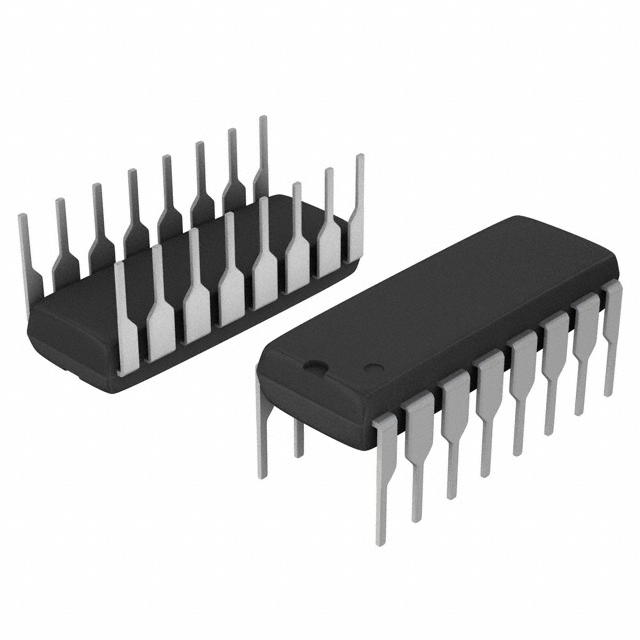 MM74HC4050NSanyo Semiconductor/onsemiIC BUFFER NON-INVERT 6V 16DIP
 -
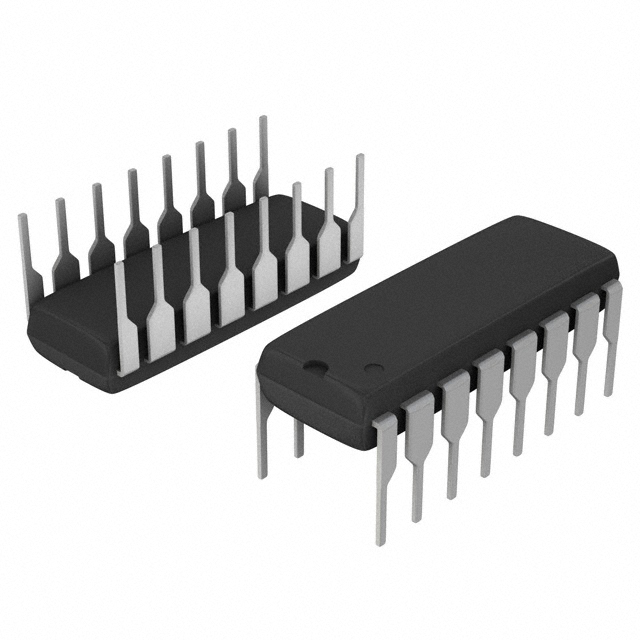 MM74HC4049NSanyo Semiconductor/onsemiIC BUFFER NON-INVERT 6V 16DIP
 -
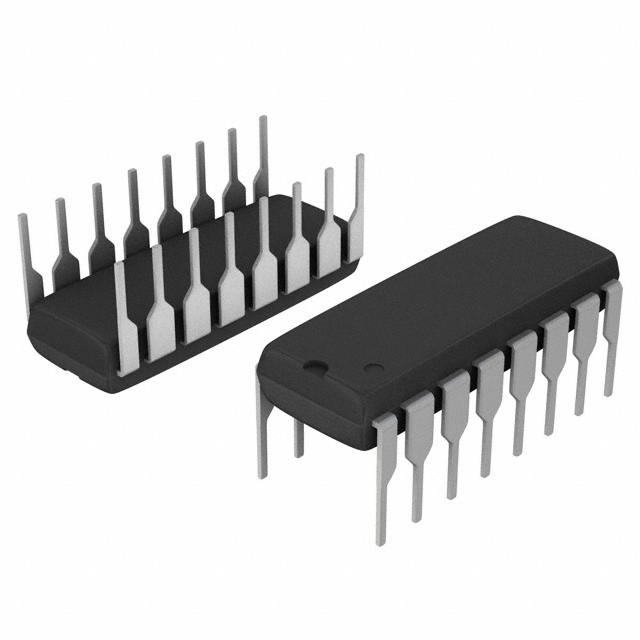 MM74HC4040NSanyo Semiconductor/onsemiIC BINARY COUNTER 12-BIT 16DIP
 -
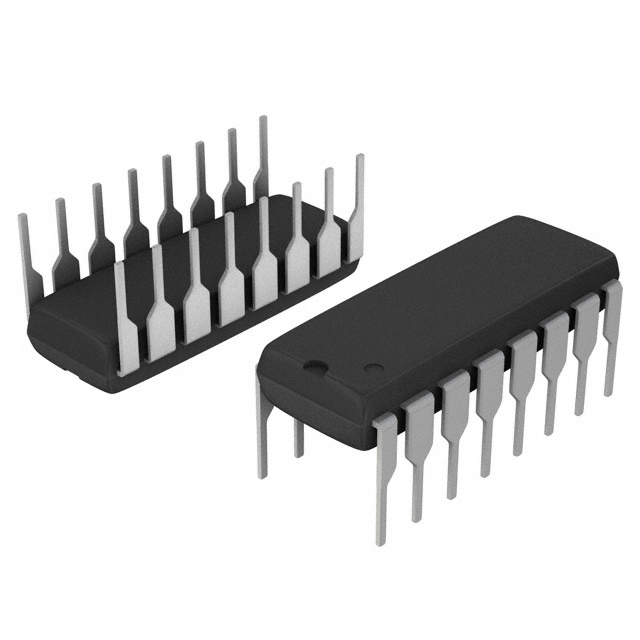 MM74HC4020NSanyo Semiconductor/onsemiIC BINARY COUNTER 14-BIT 16DIP
 -
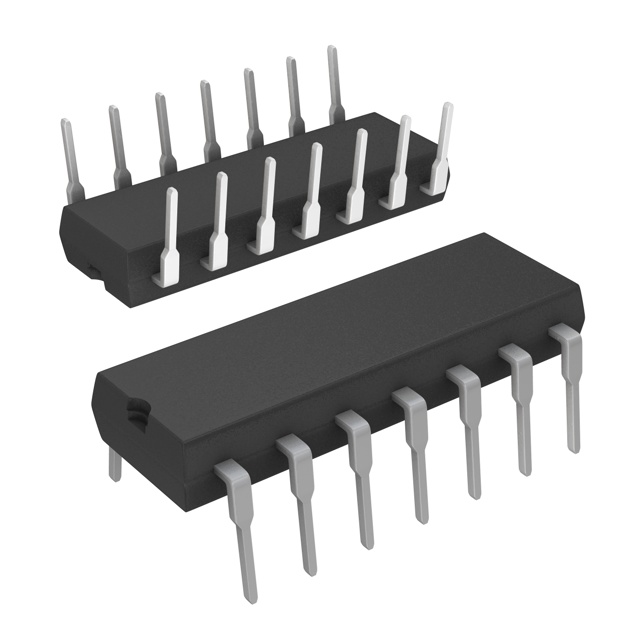 MM74HC393NSanyo Semiconductor/onsemiIC BINARY COUNTR DL 4BIT 14MDIP
 -
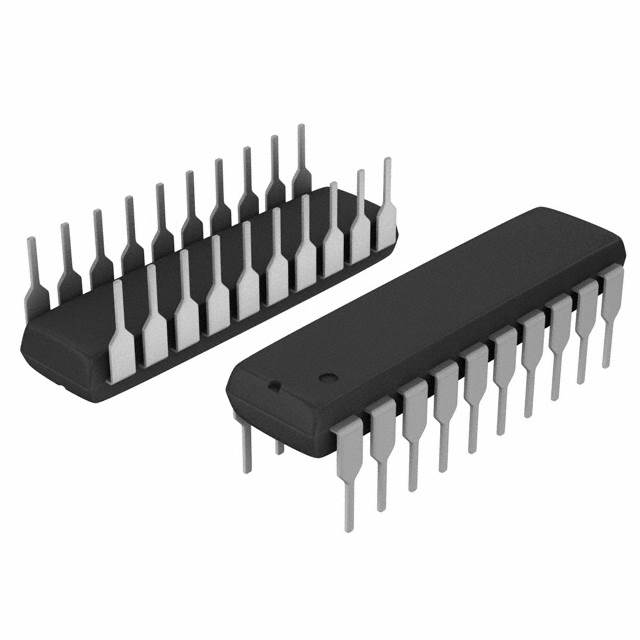 MM74HC374NSanyo Semiconductor/onsemiIC FF D-TYPE SNGL 8BIT 20DIP
 -
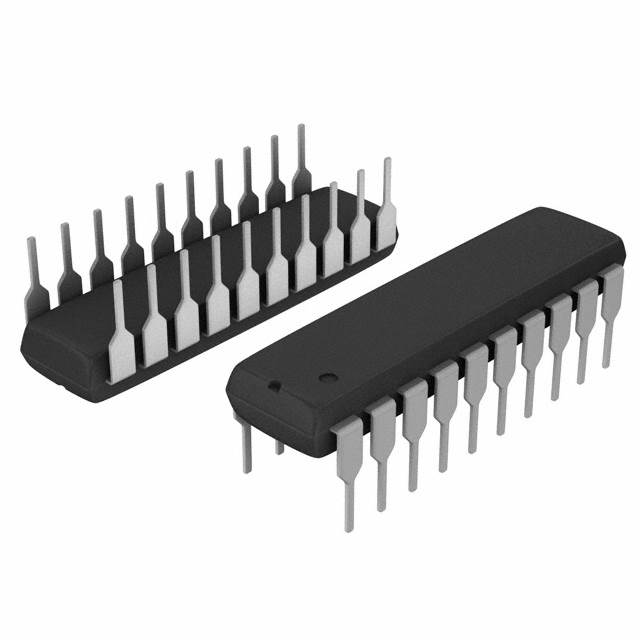 MM74HC373NSanyo Semiconductor/onsemiIC D-TYPE TRANSP SGL 8:8 20DIP
 -
 LT1213CS8Linear Technology (Analog Devices, Inc.)IC OPAMP GP 2 CIRCUIT 8SO
 -
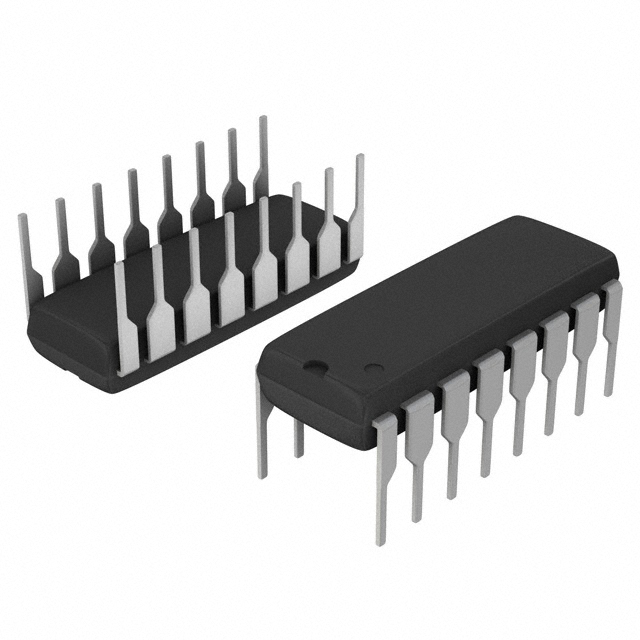 MM74HC259NSanyo Semiconductor/onsemiIC LATCH ADDRESS 8BIT 16-DIP
 -
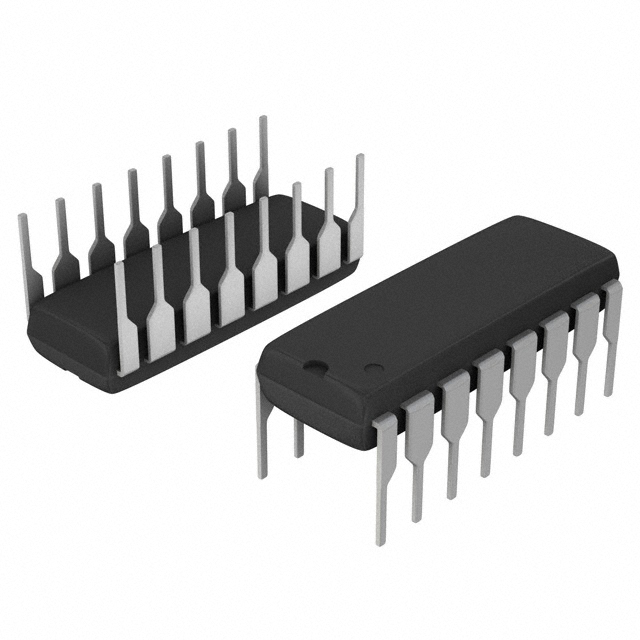 MM74HC251NSanyo Semiconductor/onsemiIC MULTIPLEXER 1 X 8:1 16DIP




{{ boxName }} ({{ dataList?.length || 0 }} Items)
{{ val.part_number }}
{{ val.manufacturer || val.en_manufacturer || '' }}
quantity: {{ val.quantity }}
it was empty.