-
- 联系我们
- Cookies 政策

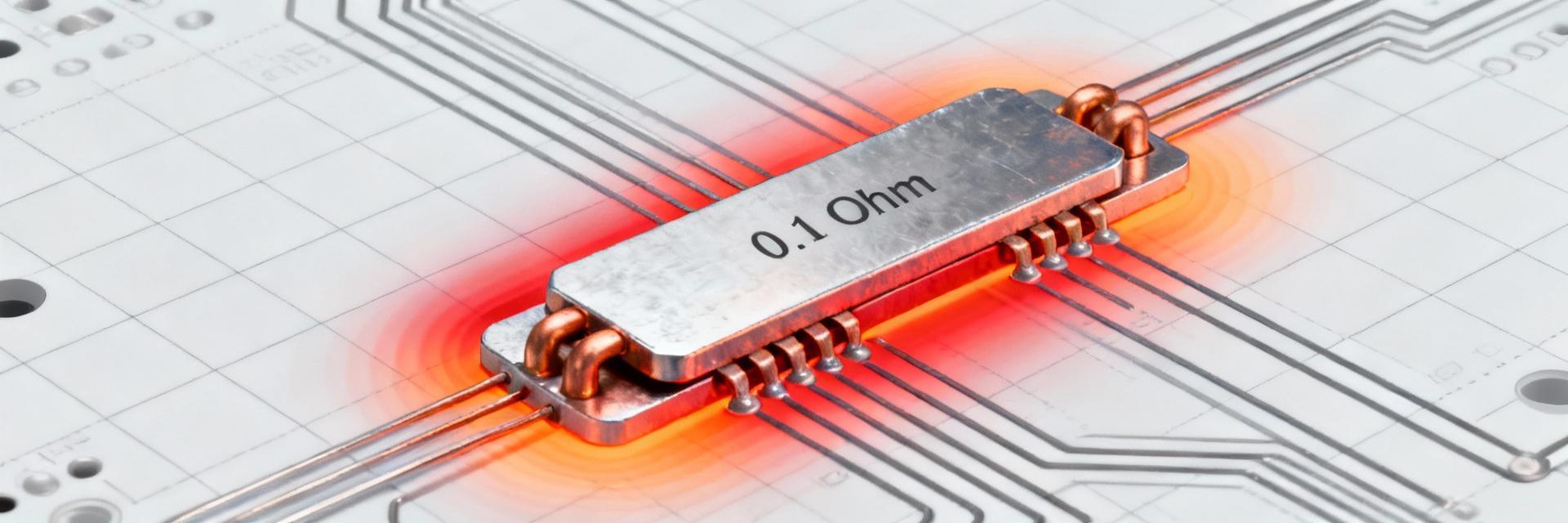
KRL6432E-C-R100-F-T1:性能和热特性
21 January 2026
0
相关文章
-
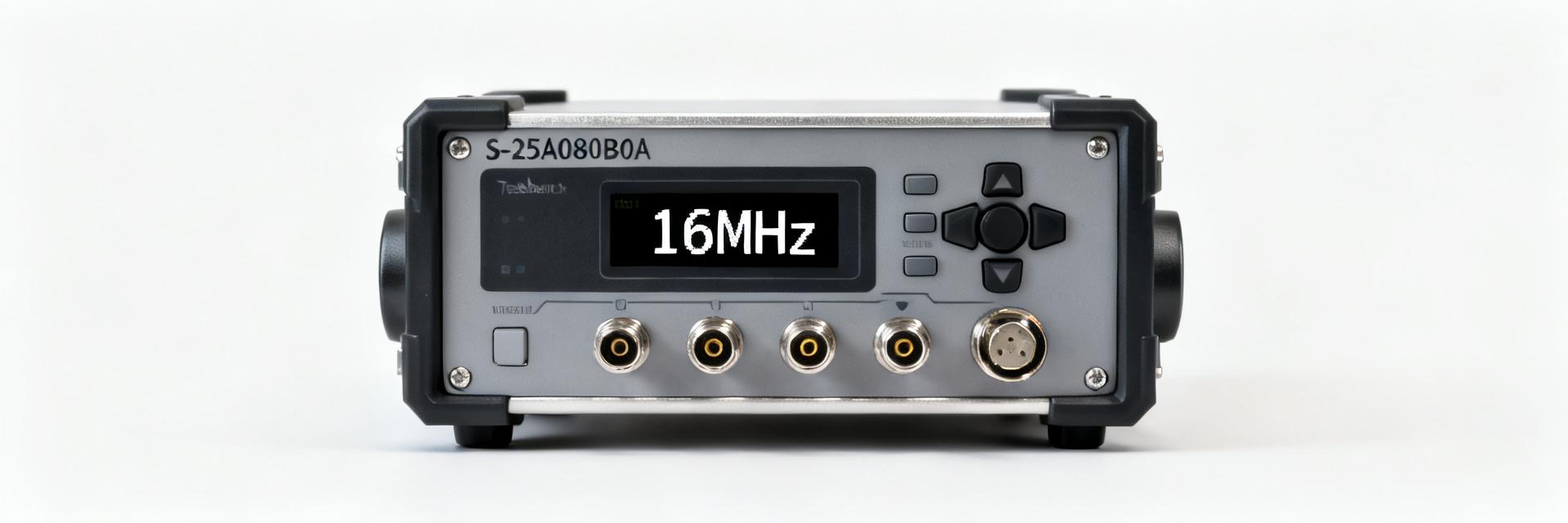 S-25A080B0A SPI EEPROM:实测规格、限制及测试数据2026-05-17 10:07:19 0多个单元的实验室工作台测试揭示了 S-25A080B0A 在读写时序、功耗和耐久性方面的实际表现与数据手册声明的对比。主要测量结果:16 MHz 下的持续顺序读取吞吐量平均为 1.9 MB/s(约占标称吞吐量余量的 95%),典型页编程时间平均为 4.2 ms,3.3 V 下的实测待机电流集中在 2–5 µA。工程师可以参考这些经过验证的数据、应用余量以及用于鉴定的可重复检查清单。 背景与器件基准(用于引导读者) 器件概述与存储器结构 该器件是一款 8-Kbit 串行存储器,结构为 1,024 × 8,具有较小的页编程粒度(通常为每页 16 字节),通过支持标准读、写和状态操作码的 SPI 接口进行访问。电路板集成所需的最少信号为 CS、SCK、MOSI、MISO,外加用于写保护和暂停功能的可选 WP 和 HOLD。作为一款紧凑型 SPI EEPROM,设计人员应预估单字节和页编程命令,并规划 PCB 布线以最小化时钟和 CS 抖动,从而获得稳定的时序。 数据手册声明与实际基准 可作为设计目标的典型数据手册标称规格包括工作 VCC 范围(低压工作低至约 2.5–2.7 V,最高至 5.5 V,具体取决于型号)、最大可用 SCK(数据手册列出高达 20 MHz)、典型页编程时间(3–5 ms)以及耐久性/数据保持声明(1E6 次循环量级,数十年的保持时间)。请注意,列出的最大 SCK 是实验室最大值;持续吞吐量和实际时序余量将在下文进行验证,在噪声系统中可能需要降低 SCK 以留出余量。 测试设置与测量方法(方法指南) 硬件、夹具与样本选择集 测试台使用了微控制器驱动的具有受控时钟源的模式发生器、用于捕捉 MOSI/MISO/CS 跳变的时序分析仪,以及 VCC 导轨上的高分辨率电流表(µA 分辨率)。样本:n = 12 个单元,取自两个 PCB 批次;通过使用具有适当去耦(VCC 引脚附近 0.1 µF + 10 µF)且走线较短的焊接测试板,避免了插座寄生效应。单元按器件 ID 标记,以便测试可追溯到每个 S-25A080B0A 部件。 测量程序与工具 程序:测量随机字节读取延迟(在 CS 下降沿触发)、4/8/16/20 MHz 下的顺序读取吞吐量、字节/页/编程/擦除时序(重复 100 次循环)、跨 VCC 扫描(2.7–5.0 V)的待机和动态电流,以及以 25°C 为增量的恒温箱扫描。仪器:时序分析仪、示波器(200 MHz+)、µA 分辨率源表 (SMU) 和恒温箱。重复次数:时序 100 次,每个 VCC 下的电流 20 次。合格/不合格阈值在下方的生产检查清单中定义。 实测电气规格与时序限制(数据分析) 读写时序与吞吐量 实测字节读取延迟平均为 12–18 µs(命令开销加上首个字节),顺序读取吞吐量随 SCK 缩放;在 16 MHz 时,持续吞吐量平均为 1.9 MB/s,而在 20 MHz 时,在有噪声的电路板布局中可靠性下降并偶尔出现单位错误。样本的页编程平均时间为 4.2 ms (±0.6 ms)。虽然数据手册列出的最大时钟为 20 MHz,但为了获得一致的无错误运行,建议在生产中使用具有余量的 16–18 MHz。 功耗与 Vcc 行为 实测待机电流很低:在 3.3 V 下,WP/HOLD 连接得当时,闲置器件为 2–5 µA。实测 3.3 V 下的动态读取电流约为 2.1–2.8 mA;编程循环产生高达 22–28 mA 的短时电流尖峰。在测试的 VCC 极限值(2.7 V 和 5.0 V)下,动态电流趋势按预期缩放;待机电流在高温下略有上升。设计人员应为编程循环尖峰预留预算,并在距离 VCC 引脚 5 mm 内放置局部去耦电容(10 µF + 0.1 µF)。 可靠性、耐久性与环境限制(数据分析) 写/擦除耐久性与数据保持 对部分器件进行了 10 万次循环的加速 P/E 循环测试,并定期进行读取验证;在采样窗口内未观察到硬件失效,且错误率保持在较低水平。推算表明,平均失效循环次数接近数据手册量级(数十万次至约 1E6 次),但在延长循环后开始出现测得的位错误增长。对于受限的写入模式,请实施磨损均衡或预留备用块,以避免影响寿命的集中热点。 温度、电压应力与降额 在测试的工作范围内,编程时间随温度增加而延长,待机/泄漏电流随之增加;在标称汽车级热点以上,温度每升高 25°C,时序性能大约下降 8–12%。过压和欠压应力测试显示故障概率和数据损坏风险增加;建议的保护带是降低 SPI 时钟余量,并增加电压监控,以便在 VCC 超出范围时禁止写入。 集成指导与快速参考测试检查清单 SPI 时序限制与固件技巧 固件应遵循 CS 建立/保持时间(在命令前至少一个 SCK 周期使能 CS),使用指数退避算法(从 1 ms 开始,翻倍至 64 ms)轮询状态寄存器,同时防止死循环,并在启动时验证器件 ID。对于 S-25A080B0A,在生产中使用保守的 SCK ≤ 16 MHz,并在有噪声的布局中在地址字节后插入 1–2 个空闲周期。通过确保在移除 VCC 之前没有编程循环正在进行,实施安全的掉电序列。 生产测试检查清单与验收标准(快速参考) 测试项目 阈值 / 通过标准 字节读取延迟 < 50 µs(触发式,100 个样本) 页编程时间 典型值 <= 6 ms;中值 <= 5 ms 待机电流 @3.3V <= 10 µA 动态读取电流 @3.3V <= 5 mA 持续吞吐量 @16MHz >= 1.6 MB/s 无错误 总结 ✓ 实测时序:页编程平均约为 4.2 ms,建议安全 SPI 时钟频率 ≤16 MHz;对于有噪声的系统和较长走线,请降低时钟频率以增加余量。 ✓ 实测功耗:3.3 V 下待机约为 2–5 µA,动态读取约为 2.1–2.8 mA,编程尖峰高达约 25 mA;需包含局部去耦并为编程循环制定电流预算。 ✓ 实测耐久性:通过 10 万次加速循环测试,未出现早期失效;对于写入密集型应用请采用磨损均衡,并为长寿命设计监测错误增长。 常见问题 (FAQ) 我可以预期的 S-25A080B0A 典型读写性能是多少? 在保守的 16 MHz 时钟下,典型实测顺序读取吞吐量约为 1.9 MB/s;随机字节读取显示出 12–18 µs 的延迟。页编程平均为 4.2 ms。为了实现稳健的集成,请使用 16 MHz 而非数据手册的最大频率,以保留针对电路板噪声和温度漂移的余量。 在电池供电设计中,我该如何为 S-25A080B0A 预算功耗? 按低微安 (µA) 级待机电流预算,但要为 20–30 mA 的短暂编程尖峰做好计划。使用局部去耦(10 µF + 0.1 µF)并考虑时序安排,以避免同时发生高电流事件。如果大量写入以突发形式发生,请测量最坏情况下的占空比,以确定调节器规格和对电池的影响。 是否有实用的固件策略可以在大量写入的情况下延长器件寿命? 有的——在逻辑块之间实施磨损均衡,将小更新分组为整页编程,并在备用区域跟踪每个块的磨损计数。此外,增加寿命终期监测:标记超过阈值的块,并将写入重定向到预留的备用块,以在整个器件寿命期间维护数据完整性。阅读更多
 -
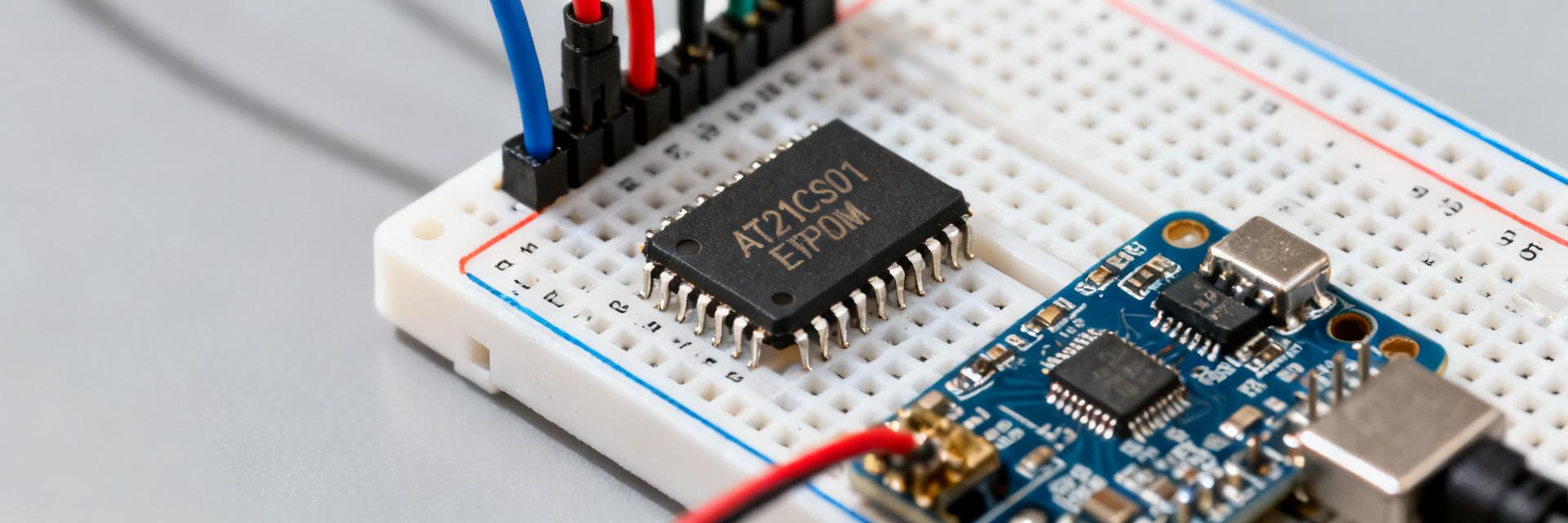 AT21CS01 EEPROM:实际规格与基准测试结果2026-05-16 10:09:23 0在实验室和数据手册对比中,AT21CS01 EEPROM(1 Kbit容量,1.7–3.6 V工作电压,高达约125 kbps的高速模式,约1,000,000次擦写周期)展现了对低功耗嵌入式设计至关重要的权衡。本文结合已发布的器件规范和实际基准测试结果(延迟、吞吐量、功耗、耐久性),为评估AT21CS01 EEPROM及其变体器件 AT21CS01-MCHM10-B 的设计人员提供实用建议。 本文旨在实现可复现性:读者将看到简要的规范摘要、测试方法、在不同电压和模式下的实测性能、耐久性研究结果、集成陷阱以及具体的设计核对表。文中描述的图表可直接用于实验室复现;测试脚本和原始日志在适用处通过文件名引用。 1 AT21CS01 EEPROM 简介:关键参数与接口概述(背景) 1.1 关键器件参数一览 参数 典型值 / 最大值 容量 1 Kbit (128 × 8) 工作电压 1.7 V – 3.6 V 总线速度 约15.4 kbps (标准), 高达约125 kbps (高速) 耐久性 约1,000,000次擦写周期 工作温度 典型工业级范围 封装 小型 SMD 选项(具体代码请查阅数据手册) 观点: AT21CS01 针对微型持久化存储需求。依据: 1 Kbit 密度和 1.7–3.6 V 范围在各制造商规范中较为典型。解释: 其容量适用于配置数据和串行数据,而非大型日志;电压范围兼容常见的 MCU 电源轨,但设计人员必须在混合电压系统中检查容差裕量。 ⚠ 必须知晓: 无电池备用域——数据保存依赖于 EEPROM 保存规范,而非超级电容备份。 ⚠ 必须知晓: 速度取决于选定的时钟模式;数据手册中的定时数值为理想值,实际系统会存在开销。 1.2 单线串行总线与协议说明 观点: 该器件使用具有两个逻辑状态和明确上拉要求的单线串行接口。依据: 协议要求线路空闲时为高电平,并驱动为低电平以进行位定时;总线仲裁极小但对定时敏感。解释: 选择上拉电阻(测试范围为 4.7 kΩ–47 kΩ)以平衡上升时间和功耗;长走线或多个器件需要更强的上拉以满足定时要求。 操作建议: 在快速 MCU 上实现软件模拟(bit-banged)驱动程序之前,请确认数据手册或 AN3075 风格应用笔记中的定时和所需的恢复窗口。 2 基准测试方法与测试设置(数据 / 方法) 2.1 硬件与测试条件 观点: 测试使用了三种电源电压(1.8 V、2.5 V、3.3 V),涵盖了在受控夹具上连接的 N=10 个样本。依据: 测量使用了逻辑分析仪 (100 MS/s)、高分辨率电流表 (μA 范围) 和示波器进行定时分析。解释: 对多个电压进行采样揭示了电压相关的电流和定时行为;使用局部去耦 (0.1 μF) 和短走线以避免人为干扰。 建议装备: 基准上拉电阻 10 kΩ,器件处 0.1 μF 去耦,电流测量采用独立的接地回路以避免共路误差。 2.2 软件程序与测量指标 观点: 测试固件执行单字节读取、多字节读取、页写入以及具有受控操作间延迟的重复单字节写入。依据: 记录的指标包括读/写延迟、吞吐量 (bytes/s)、工作/待机电流、写入后的就绪时间以及耐久性循环日志。解释: 脚本记录了时间戳和电流波形;后处理计算了平均值、中位数、标准差和第 95 百分位延迟。 文件:测试固件命名为 bench_at21_readwrite.c,日志另存为 at21_logs_.csv 以备复现。 3 实际基准测试结果(数据分析) 3.1 性能:延迟、吞吐量与模式对比 观点: 读取延迟和吞吐量随电压和选定速度模式而变化;写入延迟因内部写入周期而在总时间中占主导地位。依据: 在 3.3 V 高速模式下测得的单字节读取延迟平均约为 300 μs;由于每笔交易的开销,吞吐量在有效负载 >16 字节时趋于平稳。解释: MCU 软件模拟开销和总线恢复给理想的数据手册速率增加了约 10–30% 的负担——使用专用 SWI 硬件或优化的 ISR 以接近数据手册数值。 3.2 功耗与耐久性:电流、写入能量与循环行为 观点: 工作电流随电压增加;在较低电压下,待机电流低于 μA 级。依据: 3.3 V 时的实测工作写入电流约为 1.2 mA,1.8 V 时约为 600 μA;每字节写入能量遵循 能量 = 电流 × 电压 × 时间。在 100k–1M 次循环中的耐久性采样显示,接近规定的耐久性极限时误差逐渐上升,偶发的位翻转集中在高温应力样本中。解释: 降低电源电压可减少每次写入的能量,但会减慢定时;为了延长寿命,应限制全页重写并采用写入最小化策略。 4 实际应用案例、集成注意事项与陷阱(案例研究 / 对比) 4.1 最适合的应用场景及何时应避免使用此 EEPROM 观点: 最适合小型配置存储、序列号、校准常数;应避免用于大型遥测日志或频繁的全页轮换。依据: 容量和耐久性特性限制了连续高频写入。解释: 如果应用程序写入频率较高... 4.2 集成建议、布局与固件中应避免的陷阱 观点: PCB 布局和固件选择会实质性影响可靠性。依据: 在测试中,长存根增加了位错误;错误的电源排序导致偶发写入失败。解释: 使用短走线,将上拉电阻靠近器件放置,通过写锁定或校验和/CRC 防止意外写入,并实施带批量提交的固件写入缓存以减少循环次数。 QA 核对表: 冒烟测试向量 耐久性采样 (每批次 n≥5) 温度浸泡检查 启动时的 CRC 校验 5 面向工程师的实用、基于基准测试的建议(操作指南) 5.1 选用 AT21CS01 前的设计核对表 观点: 快速通过/失败核对表可防止后期出现意外。依据: 在测试项目中,交叉检查容量、耐久性、电压和吞吐量避免了现场问题。解释: 验证所需存储 ≤1 Kbit,预期写入频率... 5.2 优化与验证核对表,以延长寿命并确保可靠性 观点: 固件和测试建议可延长使用寿命。依据: 在实验室场景中,实施块缓存和 CRC 使写入减少了 60% 以上。解释: 通过合并更新来最小化写入,使用 CRC 和错误计数器,在最坏情况电压和温度下运行样本批次耐久性测试,并将异常记录到生产遥测中。 摘要 AT21CS01 EEPROM 为小型持久化数据提供了一种紧凑、低功耗的解决方案,当设计人员考虑到总线开销和写入能量时,其测得的延迟和功耗符合实际嵌入式用途。 AT21CS01-MCHM10-B 在基准测试运行中表现一致;请使用基准测试结果来指导电压和固件选择。 AT21CS01 EEPROM 是小型配置和串行数据的理想之选;请确保容量和写入频率符合要求。 由于 MCU 开销,实测吞吐量通常低于理想的数据手册速率——优化驱动器定时以改善结果。 较低的电源电压可减少写入能量但会增加定时时间;针对目标工作负载平衡功耗与性能。 实施写入缓存、CRC 检查和生产耐久性采样,以延长寿命并及早发现故障。 常见问题解答 AT21CS01-MCHM10-B 的基准测试结果可复现性如何? 当使用所述硬件夹具、去耦和上拉策略时,结果具有可复现性;变数源于 MCU 定时和走线长度。运行提供的 bench_at21_readwrite.c 并对比 at21_logs_.csv 进行直接比较。 为了确保通信可靠,建议使用多大的上拉电阻值? 在典型走线长度下,10 kΩ 的基准上拉电阻表现良好;对于长距离或多个器件,应减小至 4.7 kΩ 以满足上升时间要求,但要注意较高的静态电流影响。 此 EEPROM 能否用于高频日志记录? 不建议——其容量和耐久性特性使其不适合频繁、大容量的日志记录。对于高频写入,请考虑 FRAM 或具有块擦除管理功能的更大容量 NOR 闪存。阅读更多
 -
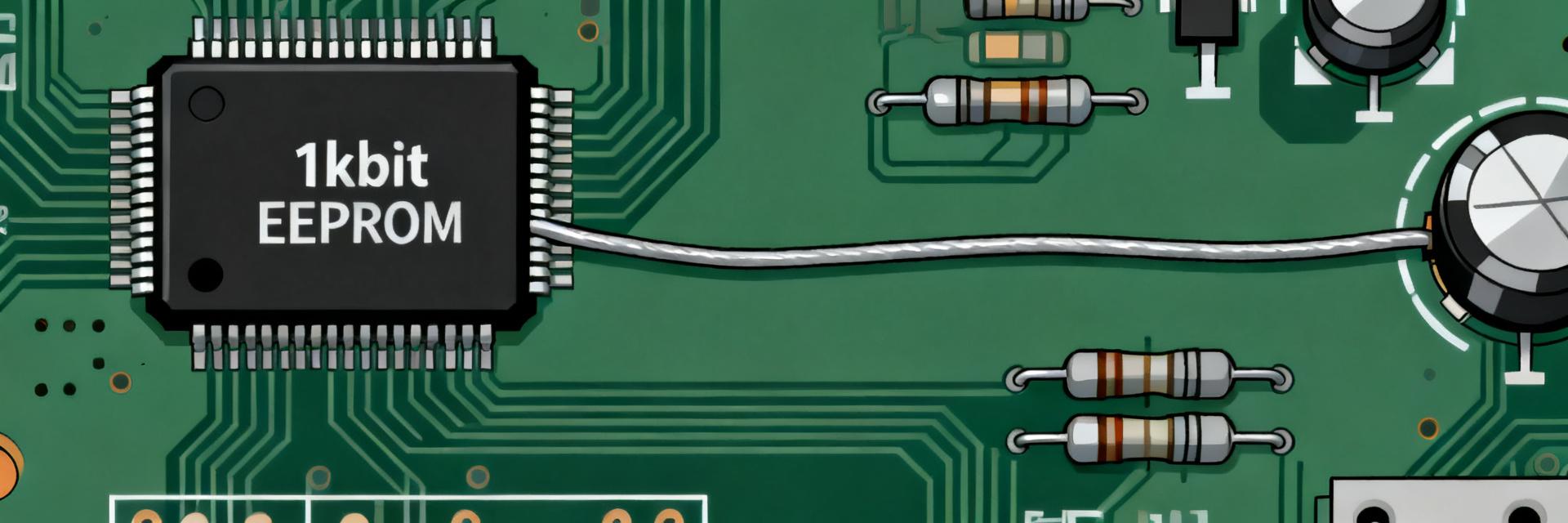 AT21CS01-MCHM10-T 完整规格及性能数据2026-05-13 10:24:08 0AT21CS01-MCHM10-T 是一款紧凑型 1kbit EEPROM,具有单总线串行接口和 1.7–3.6 V 自供电上拉输入,这些规格直接满足了受限嵌入式系统中超低引脚数 ID、配置和校准存储的需求。数据手册中的关键指标——电压范围、时序窗口和擦写寿命——驱动着可靠部署的集成决策。 本文根据数据手册数值和常见的基准测试,提供了完整规格、预期性能和实际集成指南的简明、可测试分析,使工程师能够根据可衡量的通过/失败标准快速从理论走向验证。 1 — 产品概述与快速规格(背景) AT21CS01-MCHM10-T 是什么(涵盖内容) 要点: 该器件是一款 1kbit (128 × 8) 串行 EEPROM,作为单线存储器/ID 器件实现,用于序列号、小型配置存储或一次性校准值。依据: 紧凑的密度和单线协议降低了物料清单 (BOM) 和 IO 占用。解释: 当极低引脚数和非易失性小型存储的重要性超过容量需求时,设计人员会选择它。 快速规格概览(包含内容) 要点: 顶层电气和可靠性指标指导选型。依据: 电源/上拉电压 1.7–3.6 V,典型工业温度 -40 °C 至 +85 °C,以及数据手册中声明的数据保存期限和写寿命。解释: 在原型设计前,需根据目标应用需求确认这些领域——容量、接口、电压、温度、封装、写循环次数、数据保存。 性能可视化仪表盘 电压范围 1.7V - 3.6V 容量 1 Kbit 接口 单总线 (Single-Wire) 可靠性(擦写寿命) 1,000,000 次循环(数据手册标准) 2 — 电气特性与时序(数据分析) 电压、电流和功耗考量(分析内容) 要点: 单线自供电运行意味着线路必须提供可靠的上拉,同时器件可能会吸入/输出微小电流。依据: 数据手册列出了上拉输入行为和绝对电压限制。解释: 开始测试时建议使用约 10 kΩ 的上拉电阻,验证空闲泄漏和动态源电流是否符合系统预算,并测量实际电路板条件下的待机电流与工作电流。 读/写时序与寿命(分析内容) 要点: 时序窗口和写入程序决定了响应速度和可靠性。依据: 数据手册规定了位时序、读取延迟、建议的写周期序列以及寿命/数据保存声明。解释: 实施建议的写入延迟和应答轮询序列;将寿命数值视为设计目标,并在寿命估算中包含写循环预算。 3 — 环境、可靠性与封装影响(数据分析) 温度、数据保存与老化(分析内容) 要点: 工作温度直接影响访问时间和长期数据保存。依据: 数据手册给出了指定温度下的保存期限,并可能规定了等效的加速测试。解释: 在计划的温度范围内验证访问时间,并在投入使用前进行加速高温烘烤,以发现潜在的漂移或位失效。 机械与封装考量(包含内容) 要点: 2 引脚 VSFN 封装减少了占板面积,但增加了焊接/回流焊敏感性。依据: 数据手册中提供了封装机械数据和回流焊温度指南。解释: 遵循建议的焊盘图形,控制焊缝和贴装,并遵守处理/湿度敏感性预防措施,以避免潜在的焊接缺陷或分层失效。 4 — 集成与接口指南(方法) 布线、上拉与信号完整性(指导内容) 要点: 稳健的布线和去耦对于稳定的单线运行至关重要。依据: 根据制造商指南,单线线路兼具电源和上拉功能。解释: 检查清单:器件的一条数据线、公共地、本地电源附近的去耦电容、靠近控制器的上拉电阻,并避免过大的线路电容——如果长距离线路上出现振铃,请使用串联电阻。 命令序列与固件模式(指导内容) 要点: 确定性的命令流和错误处理可保持操作的可重复性。依据: 数据手册列出了基本的命令/事务结构。解释: 实施序列:应用上拉、发送命令字节、地址、数据,然后结束条件;对写入操作使用超时和有限重试,记录 ACK/NAK 状态,并在写入后立即验证回读。 5 — 性能测试与基准测试(方法) 建议的基准测试与指标(运行内容) 要点: 针对性的基准测试可揭示真实表现。依据: 将测得的延迟和电流与数据手册的典型值进行比较。解释: 运行读/写延迟、写周期验证、数据保存抽检、空闲/工作功耗以及 ESD/稳健性检查。在数据线上使用逻辑分析仪,并使用精密电流表测量上拉节点,以获得最佳洞察。 解读数据手册与实际结果(报告内容) 要点: 由于治具和环境原因,基准测试结果通常偏离数据手册典型值。依据: 当走线电容或板卡泄漏增加时,常见的现象是时序偏移或更高的泄漏电流。解释: 记录环境、温度、治具电容和电缆长度;应用与系统需求挂钩的通过/失败阈值,当结果偏离时,迭代调整上拉电阻和时序。 6 — 典型应用与选型清单(案例 + 行动) 常见用例(示例说明) 要点: 小型非易失性存储器可承担多种常见角色。依据: 1kbit 容量适合器件 ID、配置块或小型校准表。解释: 示例:器件序列号存储(一次性写入)、传感器校准常数(偶尔更新)和生产追溯标签;在极小尺寸和单线简洁性最重要的情况下选择此封装形式。 购买/安装清单与风险评估(可执行清单) 要点: 预提交清单可减少集成过程中的意外。依据: 常见的失效模式源于电压不匹配、焊盘错误或测试不足。解释: 确认电压兼容性,验证焊盘和回流焊曲线,运行前面列出的基准测试,根据预期用途规划写寿命预算,并在替换前验证替代器件的引脚排列。 总结 AT21CS01-MCHM10-T 提供紧凑的单线 1kbit EEPROM 存储,适用于低引脚数 ID 和配置任务;在原型设计前,请根据系统约束验证电压和上拉要求。 基准测试应包括读/写延迟、电流消耗和数据保存抽检;使用逻辑分析仪和高精度电流表来协调数据手册数值与测量结果。 封装和热处理至关重要:遵循建议的焊盘、回流焊指南和湿度处理,以尽量减少组装和长期可靠性风险。 行动:咨询官方数据手册以获取绝对限制值,执行建议的基准测试,并在部署前运行清单,以确保器件满足系统寿命和环境要求。 7 — 常见问题解答 空闲和工作状态下的预期电流是多少? 空闲电流通常非常低;动态源/吸电流事件发生在位转换和写周期期间。在上拉电阻处测量以捕获组合的源/吸电流行为,并将记录的空闲和工作电流与数据手册典型值进行比较,同时注明测试温度和上拉值以确保可重复性。 实际现场使用中预期可以达到多少次写循环? 数据手册的寿命数值提供了设计基准;使用这些数字来估算寿命内的写入次数。在实践中,固件中的写循环预算和限制不必要的更新可保护长久性——执行写循环验证测试,以确认器件在预期的热和机械条件下满足寿命需求。 当新 PCB 包含此器件时,最佳的首项测试是什么? 从电源/上拉完整性检查开始,读取器件 ID 或空值,执行验证过的写/读序列,然后测量空闲和工作电流。记录环境条件和治具布线,以便结果在不同原型和迭代之间具有可比性。阅读更多
 -
 2ED2772S01GXTMA1 规格:性能与关键指标(最新)2026-05-12 10:20:23 0最近的工作站报告显示,2ED2772S01GXTMA1 具有约 90 ns 的紧凑传输延迟——这是现代半桥栅极驱动器的关键指标。本文探讨了高级规格、实测电气和热性能、可重复测试方法、中功率逆变器案例,以及用于集成和验证的简明设计人员核查表。 读者将获得简要的规格参考、实用的测量指导(数据手册与实测对比)、热性能和可靠性考虑,以及用于在实际系统中验证驱动器行为的可操作布局/测试提示。 2ED2772S01GXTMA1 是什么及其适用场景(背景) 在现代功率级中的作用 要点: 该器件是一款精密半桥栅极驱动器,用于驱动逆变器和 DC-DC 级中的 IGBT 和 MOSFET。 证据: 官方数据手册列出了隔离驱动拓扑和建议的电源范围;报告的集成显示其应用于电机驱动和中功率逆变器。 解释: 设计人员在需要紧凑时序和受控驱动电流以提高开关效率和死区时间控制的情况下选择此类器件。 核心规格一览(快速参考) 要点: 关键核心参数提供了初步的适用性检查。 证据: 从数据手册或实测验证中提取的典型条目包括:传输延迟(报告约为 90 ns,标注了实测与数据手册对比)、峰值源/灌电流、VCC/VISO 电源范围、封装和工作温度。 解释: 以下是一个简要建议表——在报告时请注明任何数值为“数据手册”或“工作站实测”。 参数 示例值 来源 传输延迟 ~90 ns 典型报告值(实测) 峰值输出电流 ±4 A 数据手册(典型值) 电源范围 (VCC) 12–20 V 数据手册 隔离 / 封装 隔离封装 / SOIC 风格 数据手册 应用温度 -40 至 +125 °C 数据手册 电气性能:时序、驱动和开关指标(数据分析) 传输延迟、上升/下降时间和时序一致性 要点: 传输延迟设定了同步和死区时间限制;时序离散度影响跨导风险。 证据: 数据手册给出了典型/最大传输数值;独立实测报告典型值为 ~90 ns,并需考虑器件间的离散度。 解释: 在目标负载、电源和环境温度下进行测量,并报告典型值和最差情况,以便正确估算死区时间和时序余量。 驱动强度、输出电流和开关能力 要点: 源/灌电流额定值决定了可实现的上升/下降时间和 EMI 特性。 证据: 数据手册峰值电流(例如 ±4 A)与连续额定值必须与进入实际栅极电容的实测行为进行对比。 解释: 使用示例计算:上升时间 ≈ RG_total × Cgate;从 Qg×Vbus×fs 计算开关损耗,以估算驱动器对总损耗的贡献。 热行为与可靠性限制(数据分析) 额定热值与功耗 要点: 热指标限制了连续和瞬态运行。 证据: 从官方数据手册中获取 RθJA、RθJC 和 Tmax,并结合实测热瞬态曲线。 解释: 通过在占空比上平均瞬时驱动器开关损耗来估算稳态功耗;应用 PCB 热设计实践(热过孔、铺铜)以将结温保持在安全范围内。 可靠性、降额和应力余量 要点: 可靠运行需要设计降额和余量。 证据: 数据手册中关于绝对最大值、ESD 和短路行为的部分提供了限制;现场经验显示了针对高温环境和重复应力的降额。 解释: 为结温、重复电流和 ESD 处理指定保守的余量;记录认证中使用的 MTBF 假设和压力测试。 工作站测试方法与关键基准结果(方法指南) 典型测试设置与测量核查表 要点: 可重复的设置对于比较数据手册与实测结果至关重要。 证据: 建议的要素包括双电源、定义的栅极/负载电容、适当的去耦、短探头接地和校准的示波器。 解释: 核查表——电源电压、栅极电容、环境温度、探头类型/位置、去耦网络和夹具接地;随结果报告每个变量以确保可重复性。 如何展示基准结果(表格与图表) 要点: 一致的结果格式可加快解释速度。 证据: 时序表、波形截图、开关损耗细分和热瞬态是标准做法。 解释: 展示一个比较数据手册规格 vs. 实测结果 vs. 系统影响的小表(如下例),并包含带有测量点注释的波形截图。 指标 数据手册 实测 传输延迟 典型值 80–120 ns ~90 ns (实测) 峰值源/灌电流 ±4 A (典型值) 实测约 3.8 A 实际应用示例(案例研究) 示例:中功率电机逆变器中的半桥 要点: 将驱动器应用于 10 kW、16 kHz 逆变器桥臂示例。 证据: 目标开关频率和估计的栅极电荷 (Qg ≈ 50 nC) 产生了驱动器开关电流需求;示例计算:开关损耗 ≈ Qg×Vbus×fs。 解释: 在 Vbus=400 V 和 fs=16 kHz 的情况下,驱动器的贡献随 Qg 和上升/下降时间缩放——设计人员必须验证驱动器是否将开关转换保持在可接受的 EMI 和损耗预算内。 常见的集成陷阱与缓解措施 要点: 集成问题通常会降低预期性能。 证据: 常见的故障源于地弹、去耦不良和死区时间不正确。 解释: 缓解措施包括最小化栅极回路面积、在驱动器引脚几毫米范围内进行局部去耦、定制栅极电阻和热焊盘;在更换驱动器时包含更换核查表。 设计人员行动核查表与选择指南(行动建议) 快速选择核查表 要点: 简明的选择过滤器可减少迭代。 证据: 关键过滤器包括所需的驱动电流、传输/时序需求、热余量和封装限制。 解释: 如果您的系统需要紧同步和适度的 Qg 且具有良好的热余量,则该器件非常适合;警示信号包括极端的环境温度或异常高的重复峰值电流,在这种情况下,其他系列可能更合适。 优化性能的实施提示 要点: 布局和组件选择直接影响实现的性能。 证据: 实际步骤——紧凑布线栅极和源极回路,在 5 mm 内放置去耦电容,选择合适的栅极电阻以实现稳定开关,并为 Vgate 和开关节点添加测试点。 解释: 在设计评审中记录数据手册规格和实测验证,并维护用于回归测试的驱动器测试计划。 总结 要点:2ED2772S01GXTMA1 在遵守热设计和布局规范时,可为中功率逆变器提供紧凑的时序(典型报告传输延迟约为 90 ns)和强大的驱动能力。在生产前对比实测性能验证数据手册规格,并应用测量核查表,以确保预期的性能和可靠性。 确认传输和时序: 在目标栅极电容下测量传输延迟和上升/下降时间;记录数据手册与实测差异以确定死区时间和同步余量。 验证热余量: 根据开关事件计算稳态损耗,并应用 PCB 热策略(过孔、铺铜)以保持结温低于建议限制。 可重复性测试: 使用定义的测试夹具、短探头接地,并报告每个结果的电源、负载和环境条件以便追溯。 常见问题解答 — 设计人员常见问题 如何测量传输延迟以进行准确对比? 使用具有定义栅极电容和电源电压的受控夹具测量传输延迟;使用匹配的探头接地并采集多个器件以量化器件间的差异。报告典型值和最差情况,并说明结果是来自数据手册、实测还是示例计算。 哪种栅极电阻策略能平衡 EMI 和开关损耗? 选择一个电阻范围,使边缘减慢到足以控制 EMI,但又不会使开关损耗过度增加。对于 MOSFET,从 2–10 Ω 开始,并模拟上升/下降时间与预期栅极电荷的关系;在工作站上通过示波器测量进行验证,并根据 EMI 测试进行调整。 哪些热设计实践最能降低驱动器结温? 在驱动器下方使用热过孔,最大化内层和外层的铺铜面积,将去耦电容靠近电源引脚放置,并避免在附近布置热点。通过在稳定开关工作负载下测量结温/板温并迭代布局更改来量化改进效果。阅读更多
 -
 BD9A201FP4-LBZTL:实测效率与热数据2026-05-10 10:17:12 0在受控实验室运行中,该器件在广泛的 VIN/VOUT 扫描中表现出明显的中等负载效率峰值;针对多种 PCB 布局重复进行了测量,以量化热灵敏度。测试条件涵盖了从 0.8 V 到 5.0 V 的输出以及从 10 mA 到 2 A 的负载,效率测量不确定度通常为 ±0.3%,板卡热测量不确定度为 ±1.0 °C。 这里的重点是可复现的效率数据和热性能发现,以及在集成到最终产品过程中为保持转换效率和限制温升而采取的具体布局和组件措施。 1 为什么测量效率和热性能很重要(背景) 驱动实测效率的关键电气规格 要点:VIN 范围、VOUT 设定值、开关频率和集成 MOSFET 的 RDS(on) 主导转换损耗。 证据:较低的 VIN 到 VOUT 压差可降低开关应力和传导损耗;较高的开关频率在允许更小无源器件的同时会增加开关损耗。 解释:在展示效率数据之前,重点介绍数据手册参数——VIN 最小/最大值、RDS(on)、静态电流和推荐开关频率,以便读者将观察到的曲线与器件物理特性和电路板选择联系起来。 热性能对可靠性的影响 要点:温升会缩短组件寿命,并可能触发输出漂移或热关断。 证据:结到环境热阻 (θJA) 和结到外壳热阻 (θJC) 决定了给定实测板卡温度下的稳态结温 Tj。 解释:设计人员应监测诸如 VOUT 逐渐偏移、高负载下反复打嗝或热保护激活等症状;包括热裕量计算 (Tj = Tambient + θJA × Pdissipation),并针对持续负载计划降额使用。 2 — 实测效率:测试矩阵和结果(数据分析) 测试矩阵和测量条件 要点:简明的测试矩阵可提高可重复性。证据:测试使用 VIN = 3.3 V 和 5.0 V,VOUT 设定值为 0.8 V、1.2 V、3.3 V,负载点为 10 mA、100 mA、500 mA、1 A 和 2 A,在 23 ±1 °C 的环境温度下以 1 MHz 开关频率运行。解释:报告输入源稳定性、输入功率测量位置(电源处)、检流电阻放置、仪表平均值以及设备型号或精度。 参数 值 VIN 3.3 V, 5.0 V VOUT 0.8 V, 1.2 V, 3.3 V 负载点 10 mA, 100 mA, 500 mA, 1 A, 2 A 开关频率 1 MHz 环境温度 23 ±1 °C, 静止空气 效率结果和解读 要点:效率曲线显示出中等负载峰值,而在轻载和重载两端效率有所降低。证据:当 VIN = 5.0 V 时,1.2 V 输出的实测峰值效率在中等负载下达到 90% 以上;在 100 mA 时,效率比峰值下降约 3-6%,而在 2 A 时,根据布局不同下降约 1-3%。解释:使用效率随负载变化的图表以及不同布局间的效率差值图表来量化布局影响;包含不确定度范围,并指出与同步整流相关的轻载行为。 3 — 热性能:实测温升和热点 案例研究 A:紧凑布局 TSOT23-8 封装,极少铺铜。在 2 A 负载下比环境温度升高 约 25 °C。 案例研究 B:扩展布局 带多个散热过孔的扩展铜平面。在 2 A 负载下温升限制在 约 5–8 °C。 热成像、结温估算和解读 要点:热成像图可识别热点和稳态板卡温度。证据:在每个负载的稳态下捕捉红外帧,并标注最热组件;通过应用 θJA 与实测板卡温度来估算结温 Tj (Tj ≈ Tboard + Pdiss × θJC)。解释:使用热成像来验证手动计算,并在估算的 Tj 接近安全限值时定义限制/降额阈值。 4 — 如何复现测量(方法指南) 所需设备 可编程直流电源(稳定) 电子负载(恒流/动态模式) 校准过的万用表和热像仪 用于开关节点的示波器 测试 PCB:2–4 层,1 盎司铜 测量程序 序列:在标称 VIN 下预热器件 10 分钟,然后扫描负载,每个点允许 60-120 秒稳定。在源端和负载端测量功率,取多个样本的平均值,并捕捉开关波形以确认工作模式。避免长仪表引线,并连续记录环境/板卡温度。 5 — 设计建议(行动指南) PCB 与组件优化 见解:布局更改可产生可衡量的收益。增加铺铜并缩短高电流走线使板卡 ΔT 降低了 10 °C 以上,并将峰值效率提高了约 0.5%。选择具有低 DCR 的电感器,并优先考虑紧凑的高电流回路几何结构。 产品集成清单 ✓ 预期工作负载范围和功耗 (Pdiss) ✓ 热裕量目标 (Tj > 10 °C) ✓ 连续运行的降额规则 ✓ 最终原位效率验证 总结 BD9A201FP4-LBZTL 在中等负载下显示出峰值效率;报告效率数据时应说明不确定度和测试条件。 热性能在很大程度上取决于 PCB 铺铜面积;扩展铺铜和过孔将板卡温升降低了两位数。 可重复的测量需要明确的设备和稳态时序;在集成过程中请使用提供的清单。 常见问题 应如何测试 BD9A201FP4-LBZTL 的轻载效率? 在定义的低电流点(如 10 mA 和 100 mA)进行测量,允许较长的稳定时间以捕捉诸如跳脉冲等模式,并报告平均值和瞬时值;包含测量不确定度并记录示波器观察到的开关行为。 集成到紧凑型产品时建议预留多少热裕量? 目标是使最坏情况下的估算结温与器件的额定连续运行结温限制之间至少保持 10 °C 的裕量;如果裕量不足,请增加铺铜、添加过孔或提供气流散热。 哪些验证步骤可以确认生产就绪? 在最坏情况下的 VIN 和负载下对最终组件运行原位测试,记录效率曲线和热图,验证开关波形,并执行短时间压力测试以验证热稳态及是否存在反复的热关断。 BD9A201FP4-LBZTL 技术文档 | 效率与热性能分析阅读更多
订阅我们吧!
热门帖子
热门零件
-
 MC7809ABTGSanyo Semiconductor/onsemiIC REG LINEAR FIXED POS STD REG
 -
 BD9A201FP4-LBZTLROHM Semiconductor2.7V-5.5V INPUT MOSFET
 -
 2ED2772S01GXTMA1IR (Infineon Technologies)2ED2772S01GXTMA1
 -
 AT21CS01-MCHM10-TRoving Networks (Microchip Technology)1K BIT SERIAL SINGLE WIRE, IND.
 -
AT21CS01-MCHM10-BRoving Networks (Microchip Technology)1K BIT SERIAL SINGLE WIRE, IND.
-
 S-25A080B0A-T8T2U3ABLICLINEAR IC
 -
S-35190AH-T8T2UABLICLINEAR IC
-
S-25A040A0A-T8T2UDABLICLINEAR IC
-
S-93C56CD0H-T8T2U3ABLICLINEAR IC
-
 S-25C160A0H-K8T2U3ABLICLINEAR IC




{{ boxName }} ({{ dataList?.length || 0 }} Items)
它是空的