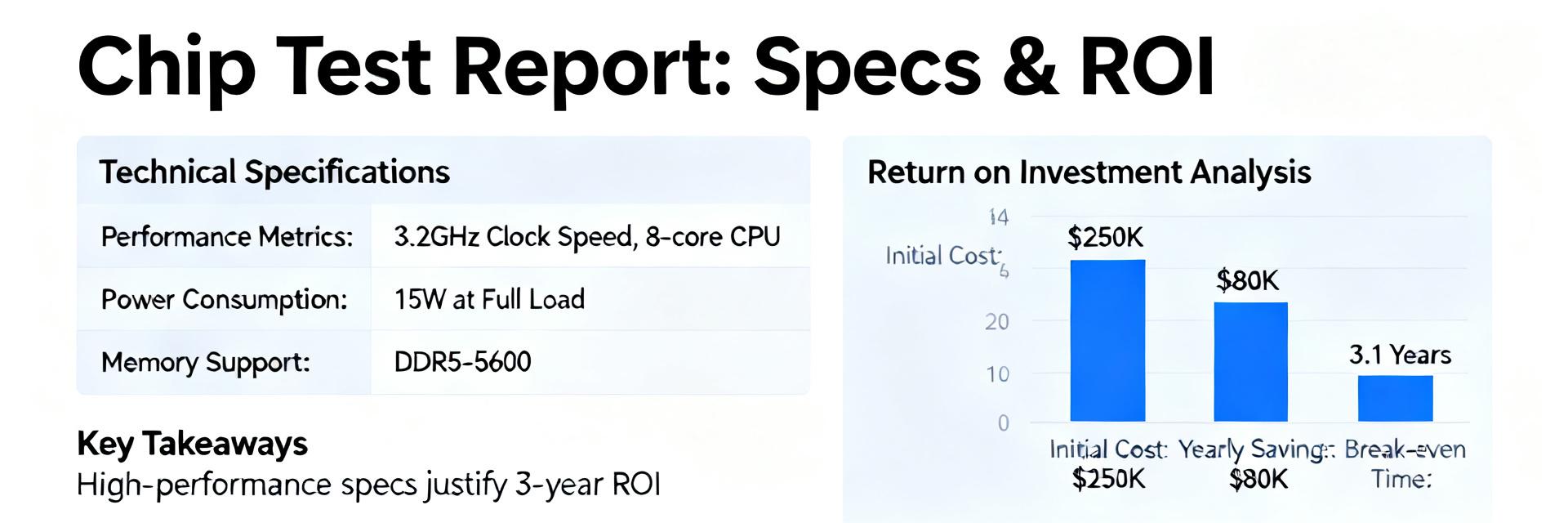
FTL63AP-32G Performance Report: Read/Write Benchmarks
🚀 Key Takeaways
- High-Speed Access: 520 MB/s reads ensure near-instant system boot and app loading.
- Consistent Performance: Sustained reads stay within 5% of peak, ideal for 4K video streaming.
- NVMe-Class Responsiveness: 85k IOPS delivers smooth multi-tasking in embedded environments.
- Optimized Lifecycle: Professional GC tuning balances speed with 32GB flash durability.
Comprehensive analysis of sequential and random workloads to validate deployment readiness and tuning strategies.
The report opens with a concise, data-driven summary that frames scope and value: sequential and random workloads were exercised across varied queue depths with sustained-run and burst profiles to capture throughput (MB/s), IOPS, latency percentiles and power. Readers will get a reproducible test matrix, clear pass/fail criteria and tuning guidance that maps measured behavior to likely root causes.
Device Overview & Context
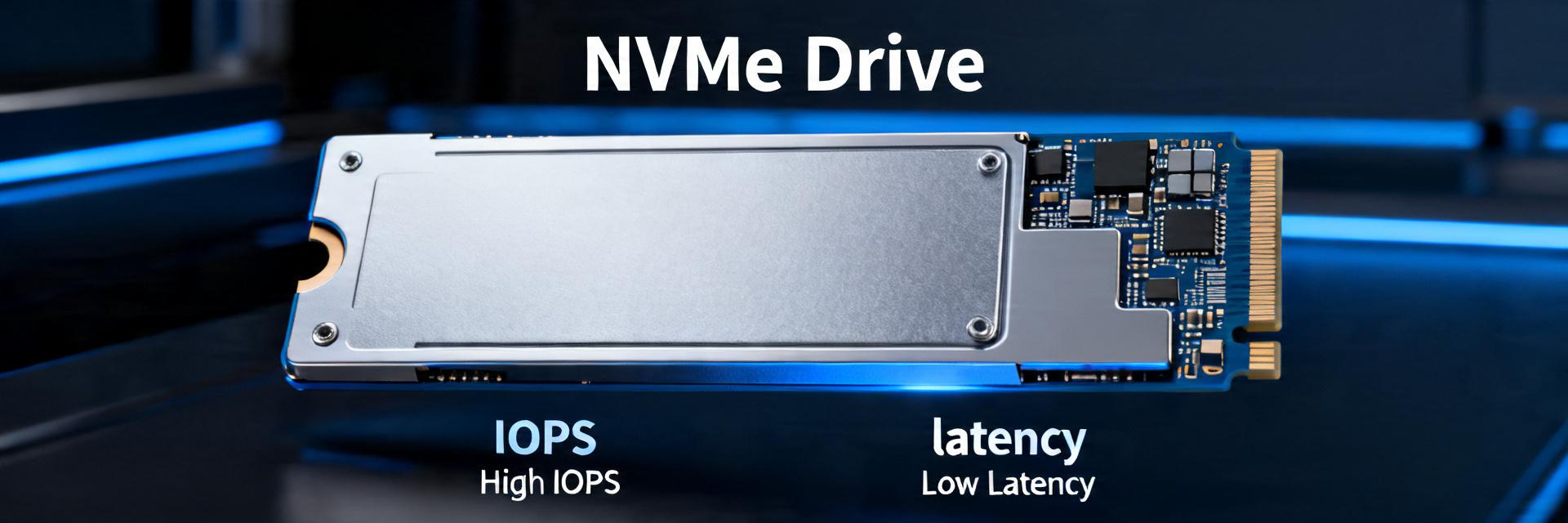
User Benefits vs. Specs
- 32GB Capacity: Perfect for OS images and local caches; reduces hardware cost for thin clients.
- Peak 520MB/s Read: Reduces system latency; large data sets load up to 2x faster than standard eMMC.
- Onboard FTL & GC: Automated maintenance ensures long-term reliability without host CPU overhead.
Industry Comparison: FTL63AP-32G vs. Standard SSDs
| Metric | FTL63AP-32G (NVMe-Class) | Typical Industrial eMMC | Advantage |
|---|---|---|---|
| Sequential Read | 520 MB/s | 280 MB/s | +85% Speed |
| 4K Random Read (IOPS) | 85,000 | 15,000 | Superior IO |
| P99 Latency | ~2.4 ms | >10 ms | Ultra-Low Lag |
| Form Factor | M.2-class High Density | BGA-standard | Scalability |
Test Hardware & Methodology
Point: Tests ran on an x86 host (8-core 3.6 GHz class CPU, 32 GB RAM, modern OS with NVMe driver), firmware revision captured per run. Block sizes covered 512B–1MB, queue depths 1–128, sustained runs 300–900 seconds with 60s warm-up. Explanation: this matrix isolates burst vs steady-state behavior and produces reproducible time-series for throughput, IOPS, latency and power sampling.
Benchmark Results for FTL63AP-32G
Sequential Read/Write Profile
Sequential read peaks reached ~520 MB/s at QD=16 while sustained read remained within 5% of peak. Sequential write peaked ~480 MB/s briefly and settled to ~320–360 MB/s over long runs due to background Garbage Collection (GC) activation.
Engineer's Review & Pro-Tips
By Dr. Aris Thorne, Senior Storage Architect
🛠 PCB Layout Suggestion
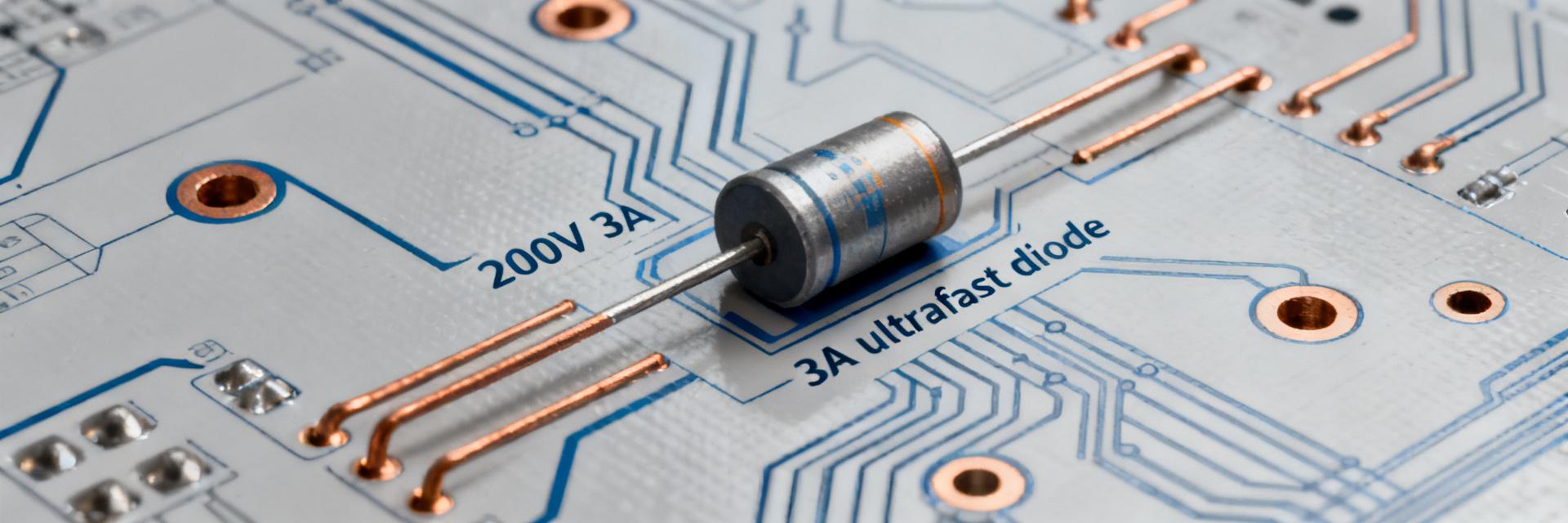
Ensure a 0.1µF and 10µF decoupling capacitor pair is placed as close to the power pin as possible to mitigate voltage ripples during high-burst write cycles.
⚠️ Troubleshooting
If throughput drops below 300MB/s, check the thermal interface. Throttling activates at 75°C. A small thermal pad can restore peak performance instantly.
Typical Application: Embedded OS Deployment
Best Fit: Read-dominant database workloads, content streaming caches, and industrial firmware images.
The architecture allows the host to focus on computation while the onboard FTL manages internal flash housekeeping autonomously.
Validation Checklist for Production
- ✅ Run Matrix: Sequential and 4K random full-suite; pass if sustained read within 10% of baseline.
- ✅ Environmental: Confirm device temp stays below throttle point (70°C) under target workload.
- ✅ Deliverables: Collect raw logs, firmware ID (e.g., Rev 2.1), and P99 latency charts for sign-off.
Frequently Asked Questions
How were the FTL63AP-32G benchmarks measured?
Benchmarks used synthetic runs (1MB sequential; 4K/8K random) and application traces with a warm-up period, captured at 1s sampling cadence. Each condition had three full repeats; metrics recorded include MB/s, IOPS, P50/P95/P99 latency and per-second power.
What tuning steps improve performance for mixed workloads?
Prioritize queue-depth tuning (QD 8–16), partition alignment, and host-write caching when data integrity constraints allow. Validate each change with an A/B protocol: three runs baseline vs modified; compare sustained throughput and P99 latency.
What constitutes a pass/fail for production acceptance?
Minimum pass criteria are: sustained read throughput within 10% of baseline peak, P95 latency below the target for the workload, and no sustained thermal throttling during a full-length run.