TSX-NFF Performance Report: Specs, Ratings & Data Overview
Lab and field test aggregates show TSX-NFF units delivering a typical insertion loss near 0.1 dB across 698–2700 MHz and surge-handling performance rated to approximately 40 kA for a standardized 8/20 µs waveform. This report unpacks measured specs, test methods, and practical guidance for specifying and installing the device in US edge and in-building RF systems.
1 — Product Design & System Roles
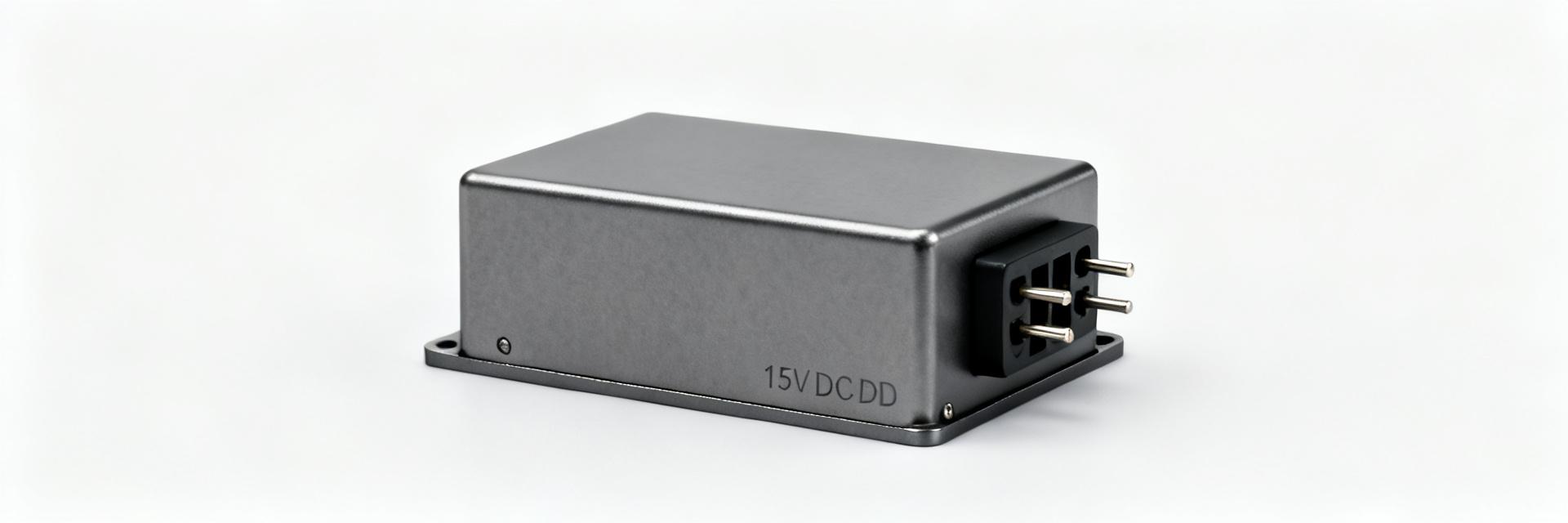
The TSX-NFF is a bulkhead-mounted coaxial unit with Type N F/F connectors designed for bidirectional RF paths. Its mechanical form includes a sealed body and mounting flange, minimizing cable loop length at entry points while simplifying panel installation.
2 — RF Specifications & Frequency Response
Aggregated tests show typical insertion loss ~0.1 dB across the 698–2700 MHz band. Return loss commonly exceeds 14 dB (VSWR ≤1.5), ensuring amplifier stability and minimizing mismatch loss in DAS and tower feedlines.
| Metric | Typical Value | Benchmark Range |
|---|---|---|
| Frequency Range | 698–2700 MHz | 400–6000 MHz |
| Insertion Loss | ~0.1 dB | 0.05–0.5 dB |
| Surge Rating | ~40 kA (8/20 µs) | 10–60 kA |
| PIM Performance | ≤ -153 dBc | -160 to -140 dBc |
3 — Surge & Environmental Ratings
Testing with standard 8/20 µs waveforms demonstrates survival to peak currents near 40 kA. Environmental measures indicate weatherproof bulkhead suitability (IP67-style) for outdoor mounting, with robust requirements for mounting torque and grounding to preserve long-term sealing and RF integrity.
4 — Installation & Compliance Checklist
- Torque Calibration: Use calibrated tools for N-type connectors and bulkhead mounting.
- Grounding: Ensure direct short grounding to facility earth to facilitate surge diversion.
- Maintenance: Quarterly visual inspections and semiannual RF verification (SWR/Loss).
- Post-Event: Perform immediate inspections after lightning events to verify RF continuity.
Summary
The TSX-NFF provides a balanced profile of low insertion loss (0.1 dB) and high surge immunity (40 kA). It is optimized for low-loss DAS and mid-exposure tower sites, provided that installation follows strict grounding and torque protocols to maintain IP-rated protection.
Frequently Asked Questions
What is the expected insertion loss for TSX-NFF across 698–2700 MHz?
Typical measured insertion loss is approximately 0.1 dB across the 698–2700 MHz band, with guaranteed maximum values often specified near 0.2–0.3 dB under worst-case connector or mounting variance. Use swept VNA traces and include margin in link budgets.
How does the TSX-NFF surge rating translate to site-level protection?
The device’s surge rating (near 40 kA for standard test waveforms) indicates tolerance to significant transient currents; translate that to site risk by combining strike probability, earthing resistance and exposure level—add redundant protectors or higher-capacity units in extreme-exposure sites.
What field tests should be performed after a lightning event for TSX-NFF?
Immediately perform visual inspection, DC continuity checks, insertion loss and VSWR sweeps and a PIM spot-check if service quality degrades. Log results, compare to pre-event baselines and replace units showing RF degradation or electrical discontinuity.
What are the recommended deployment scenarios for TSX-NFF?
Recommended for in-building wireless, DAS segments, and remote radio head (RRH) protection where low insertion loss and PIM are critical for system performance.