S4055NRP СП схема: Полные электрические характеристики Обзор
Point: The S4055NRP datasheet defines a mid-power, unidirectional thyristor optimized for AC/DC control systems. Evidence: Standard ratings list blocking voltages at 400V with average on-state current reaching up to 55A. Explanation: These specifications position the S4055NRP as a primary choice for phase control, rectification, and DC switching where high surge capability and thermal stability are mandatory.
1 — Background & Scope: The Role of S4055NRP in Power Design
An SCR (Silicon Controlled Rectifier) is a gate-controlled semiconductor that facilitates unidirectional current flow. The S4055NRP allows for precise timing of conduction via gate pulses, essential for lamp dimming, motor speed control, and overvoltage protection circuits.
2 — Quick-spec Summary: S4055NRP Datasheet Table
| Parameter | Typical Value | Test Condition / Notes |
|---|---|---|
| VDRM / VRRM | 400 V | Repetitive peak blocking voltage |
| IT(AV) | 35–55 A | Tc = 100°C, Average on-state current |
| Ipk (Surge) | ~650 A | Non-repetitive half-sine, 8.3 ms |
| VTM / Vf | 1.2–1.8 V | On-state voltage drop at rated IT |
| Igt / Vgt | 40 mA / 1.0 V | Gate trigger current/voltage (max) |
| Tj Max | 125 °C | Operating junction temperature |
3 — Detailed Electrical Parameters: Conduction and Gating
3.1 On-state Characteristics
The on-state voltage (VTM) determines conduction losses. For a load of 35A with a typical 1.5V drop, the device dissipates approximately 52.5W. Designers must account for this power in the thermal budget to prevent thermal runaway.
3.2 Gate Trigger and Control
With an Igt of 40mA, the S4055NRP is robust but requires a solid driver. Using a 5V microcontroller, a series resistor of approximately 200Ω ensures sufficient current to trigger the gate reliably while protecting the MCU I/O pins.
4 — Dynamic & Switching Performance
The device is rated for high dv/dt immunity to prevent unintended turn-on during rapid voltage transitions. For inductive loads, an RC snubber network is recommended to limit voltage spikes. Additionally, the di/dt rating must be observed to avoid localized heating during the initial turn-on phase.
5 — Thermal and Packaging Constraints
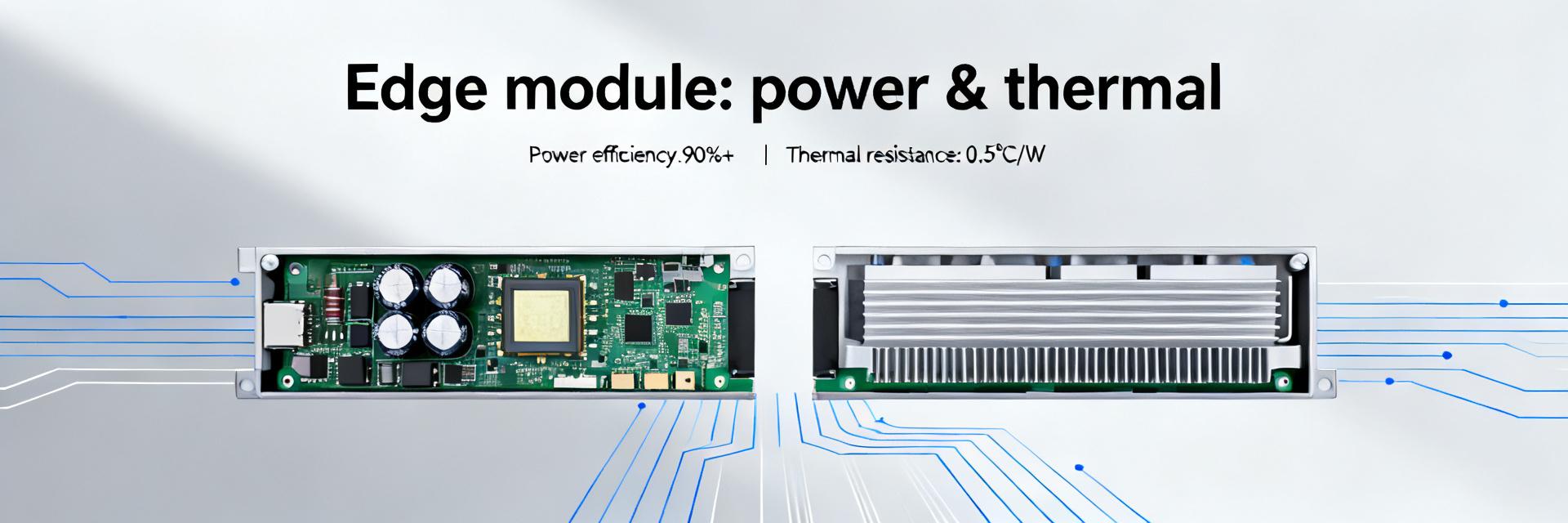
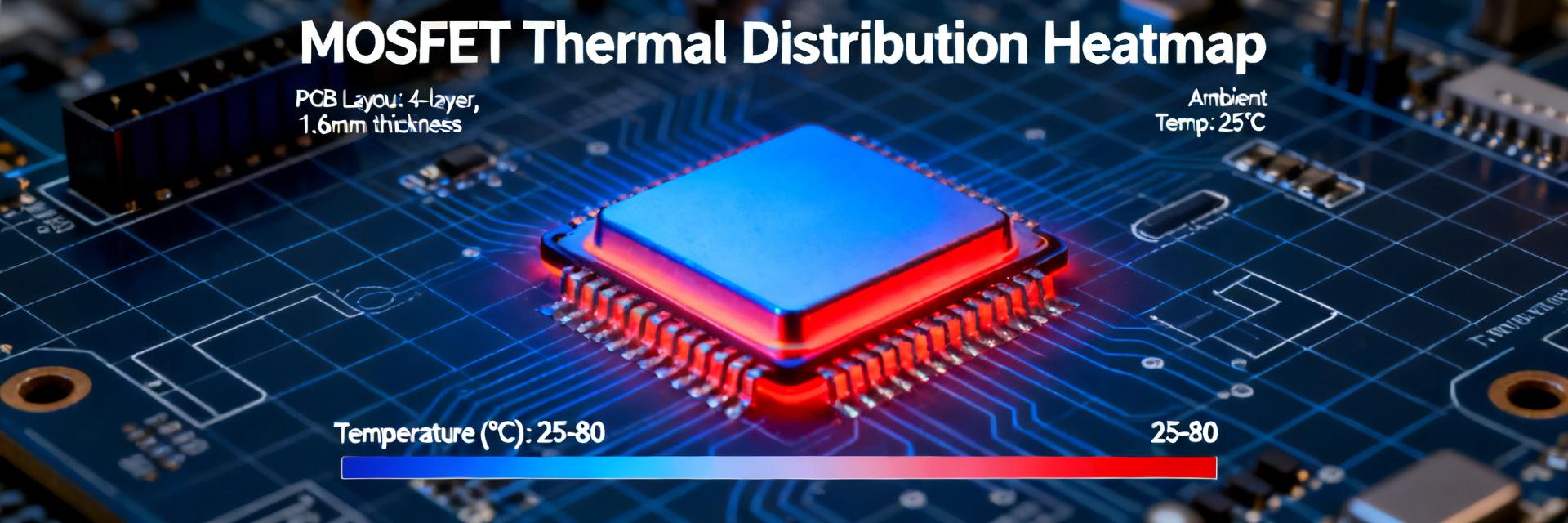
Housed in a power surface-mount package (TO-263 style), the S4055NRP features a thermal resistance (RθJC) of 0.5–1.5 °C/W. Effective heat dissipation requires a significant copper pour on the PCB or an external heatsink to maintain Tj below the 125°C limit.
6 — Selection Checklist & Best Practices
- Voltage Margin: Ensure VDRM is at least 1.5x the peak AC line voltage.
- Thermal Path: Calculate RθJA; if calculated Tj exceeds 110°C, increase heatsink size.
- Gate Integrity: Place the gate resistor close to the SCR to minimize EMI pickup.
- Snubber Design: Use a 0.1µF capacitor and 100Ω resistor across the SCR for high dv/dt environments.
FAQ
What is the max surge current for S4055NRP?
The S4055NRP features a non-repetitive half-sine surge current (Ipk) rating of approximately 650 A for an 8.3 ms duration. This rating is intended for single-event survivability; repeated surges require thermal derating and protection such as fuses.
How to size a heatsink for S4055NRP?
Calculate power dissipation using Pd = VTM × IT(AV). Determine the required total thermal resistance RθJA ≤ (Tj_max - Tambient) / Pd. Subtract internal junction-to-case resistance (RθJC) to find the necessary heatsink specification.
What are gate drive recommendations for S4055NRP?
Design the gate drive to provide 50-100% margin over the typical 40mA Igt. Use a series resistor (200-470 Ω for 5V logic) and implement an RC snubber to prevent false triggering from high dv/dt across the anode and cathode.